Last Updated on January 9, 2024 by Alex Roig
The benefits of community gardens are vast. They are more than just areas for cultivating plants, they’re hubs of social, environmental, and educational activity, fostering well-being and community spirit.
Drawing insights from leading sources, this article delves into the multifaceted benefits of community gardens and offers guidance on starting and participating in these green spaces.
Key Takeaways:
- Access to fresh produce, reducing reliance on distant food sources.
- Offers exercise and stress relief, health promotion and well-being.
- Enhances social interactions and strengthens community ties.
- Supports eco-friendly practices and urban biodiversity.
- Provides hands-on learning about gardening and sustainability.
- Transforms unused spaces, improving neighborhood aesthetics.

What is a Community Garden
A community garden creates shared space where individuals come together to grow a variety of plants, often including vegetables, fruits, herbs, and flowers.
It serves as a communal area for gardening activities, promoting social interaction, environmental education, and sustainability.
These gardens not only provide fresh produce and greenery in urban settings but also foster a sense of community health and cooperation among participants.
They are a symbol of collective effort and engagement, enhancing local environments and promoting healthier lifestyles.
Benefits of Community Gardens
- Enhanced Food Accessibility
- Improved Physical and Mental Wellness
- Strengthening Community Bonds
- Environmental Sustainability
- Educational Opportunities
- Beautification of Urban Neighborhoods
Enhanced Food Security
Community gardens provide a crucial role in enhancing food security. They allow local residents to regularly obtain fresh produce.
This is particularly beneficial in urban areas or communities where access to fresh fruits and vegetables might be limited (sometimes called a food dessert).
By growing their own food, community members can reduce their reliance on distant food sources, which often involve long supply chains and higher costs.
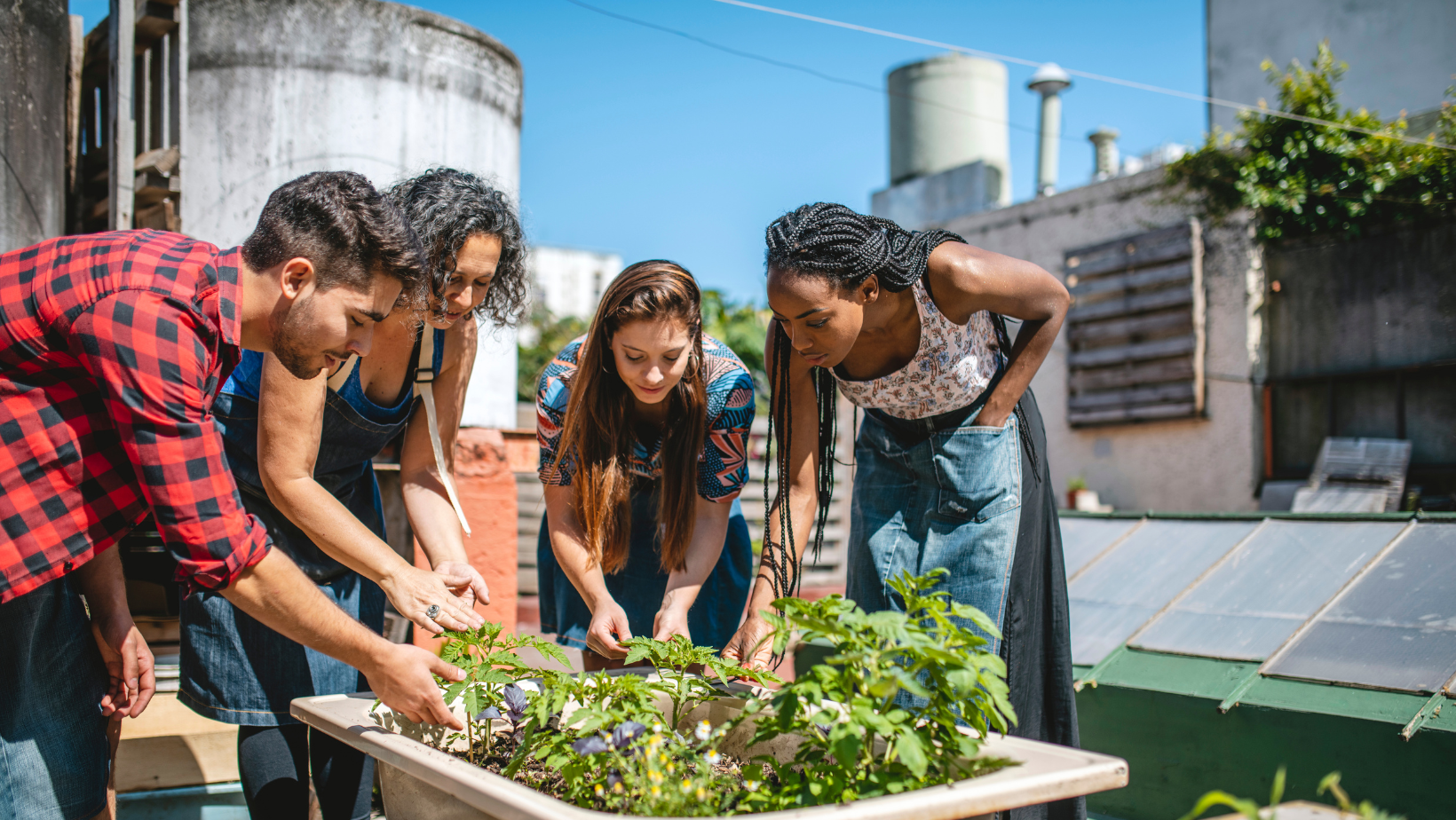
In many cities, the abundance of flat rooftops presents an untapped opportunity for urban agriculture. Imagine converting these spaces into flourishing community gardens that produce a wide variety of fruits and vegetables.
Picture this: residents of an apartment building come together to form a cooperative system, where they collectively maintain a rooftop garden.
This not only serves as a communal activity but also provides them with fresh, nutrient-rich produce.
Such a system could:
- Save residents money on grocery costs through rooftop community gardening.
- Give access to nutrient dense food, compared to conventional store produce.
- Produce extra food which could be sold for additional income.
- Extra income could be used to maintain and pay for community gardening costs.
This approach not only makes economic sense but also fosters a sense of community among the residents. It’s a practical, eco-friendly solution that enhances urban living with a touch of greenery and sustainability.
Related Article: A comprehensive guide to build your own rooftop garden.
Improved Physical and Mental Health
Community gardening offers substantial physical and mental wellness benefits. Physically, it involves a variety of activities like digging, planting, and weeding, which act as moderate exercise, improving agility and strength.
This low-impact exercise is especially beneficial for maintaining flexibility, mobility and is in the interest of public health.
Mentally, gardening acts as a form of therapy. It reduces stress, anxiety, and enhances mood through meditative, repetitive tasks.
This interaction with nature can rejuvenate mental energy, improve concentration, and boost cognitive functions.
It also fosters a sense of achievement and connection to the living world, uplifting self-esteem and purpose.
Socially, community gardening reduces isolation by encouraging interactions, thereby improving mental well-being.
Exposure to sunlight during gardening increases Vitamin D levels, beneficial for bone health and the immune system, though sun protection is essential to prevent skin damage.
Overall, gardening is a holistic physical activity that significantly has both physical and mental health benefits.

Strengthening Community Bonds
Community gardens are powerful tools for building social connections and strengthening community bonds.
They provide a common space where city dwellers from diverse backgrounds can come together for a shared purpose.
Working side by side, residents can form friendships, share gardening tips, and support each other, fostering a stronger sense of community and belonging.
These community gardens often become a hub for local events and educational workshops, further uniting members of the community and enhancing the sense of collective achievement and camaraderie.
To forget how to dig the earth and to tend the soil is to forget ourselves.
Mahatma Gandhi
Environmental Sustainability
Environmental sustainability is a crucial aspect in today’s world, and community gardens play a significant role in this movement.
These community gardens offer a practical solution for urban areas to embrace eco-friendly practices. They not only beautify our cities but also contribute to the well-being of our planet.
By integrating sustainable methods like composting and organic gardening, community gardens become vital green spaces, fostering biodiversity and promoting a healthier environment.
- Promotion of Urban Green Spaces: Enhances greenery in city areas.
- Carbon Dioxide Absorption: Aids in reducing air pollution.
- Improved Air Quality: Contributes to cleaner air in urban environments.
- Sustainable Practices: Utilizes methods like composting and organic gardening.
- Water Conservation: Focuses on efficient use of water resources.
- Habitats for Wildlife: Supports biodiversity by providing habitats.
Related Article: A guide on urban composting.
Educational Opportunities
Community gardens function as living classrooms, offering numerous educational opportunities. They are places where people of all ages can learn about community gardening, sustainable practices, and environmental stewardship.
These community gardens often host workshops and activities, teaching participants about plant biology, nutrition education, and the importance of caring for the environment.
They provide a hands-on experience in ecological conservation and food production, fostering a deeper understanding of the natural world and our role in protecting it.
Beautification of Neighborhoods
Community gardens have a transformative effect on neighborhoods. They turn underutilized or vacant land into vibrant, green spaces.
This beautification process not only improves the visual appeal of an area but can also lead to increased property values.
Green spaces are known to make urban neighborhoods more inviting and livable, contributing to a better quality of urban life.
These community gardens can become focal points for community activities and social interactions, fostering a sense of pride and collective identity among residents.

How to Start a Community Garden Step-By-Step Guide
Starting a community garden is a rewarding journey that can transform your local area.
This step-by-step guide will lead you through the essential phases, from initial planning to nurturing a thriving garden space that benefits your community.
Step 1. Identifying a Suitable Location
The first step in creating a community garden is to find the right location. This ideal spot should have plenty of sunlight, access to water, and fertile soil.
It’s also important to work with local authorities or community organizations to get approval for using the site.
This process ensures that the chosen location is suitable and that the garden will be a welcomed addition to the community.
Step 2. Recruitment and Team Building
- Recruit interested individuals for the garden project.
- Include members with a range of skills, from gardening to organizing.
- Ensure everyone is involved from planning to maintenance.
- Set up regular meetings with community gardeners for coordination and task assignments.
Step 3. Planning and Development
The third step in starting a community garden involves careful planning and development. This includes designing the garden layout, deciding on the types of plants to grow, and incorporating sustainable practices like water conservation and organic gardening.
Creating a well-thought-out plan is crucial as it sets the foundation for environmentally friendly and successful community gardens.
This phase ensures that the garden not only looks good but also functions effectively and sustainably.
Step 4. Securing Funding
Securing funding is a critical step in establishing and growing a community garden. This involves exploring various sources such as grants, local business sponsorships, and fundraising events.
Finding financial support helps cover initial setup costs and ensures the garden’s sustainability. Effective funding not only provides the necessary resources for garden development but also strengthens community involvement and investment in the community gardening project.
Through community garden initiatives, cities have enacted policies for interim land and complimentary water use for community garden programs.
Here are a few different funding ideas:
- Apply for community grants from local government or environmental organizations.
- Seek sponsorships from local businesses.
- Host fundraising events like plant sales or garden tours.
- Launch a crowdfunding campaign online.
- Partner with non-profits for joint funding opportunities.
- Utilize donations from community members.
- Explore educational grants if the garden has a learning component.

Step 5. Construction and Planting
Once the planning is complete, the next step is the construction and planting phase of the community garden.
This involves building the necessary infrastructure like raised garden beds and setting up efficient irrigation systems.
After the setup, it’s time to start planting the chosen plants. This phase is where the community garden truly begins to take shape, as the physical layout is established and the first plants start to grow, marking the beginning of the garden’s life cycle.
Step 6. Maintenance and Care
The final and ongoing step in creating a community garden is its maintenance and care. This crucial stage ensures that the garden remains a thriving, healthy environment.
Regular tasks include watering, weeding, pruning, and harvesting, alongside monitoring for pests and diseases.
Consistent care not only sustains the garden’s health but also keeps it as a vibrant and inviting space for the community.
This phase requires commitment and teamwork, with the garden’s success reflecting the collective effort and dedication of its caretakers.

Experience the ultimate gardening convenience with this11-piece Garden Tools Set, featuring durable stainless steel tools, comfortable rubber handles, and a comprehensive tote – perfect for every gardener’s needs and an ideal gift for loved ones.
The Societal Impact of Community Gardening
- Fosters community engagement and cohesion
- Enhances neighborhood social interactions
- Reduces urban crime rates
- Promotes inclusivity and diversity
- Encourages healthy lifestyle habits
- Provides educational opportunities
- Strengthens local economies
- Builds a sense of collective responsibility and pride
Supporting Environmental Sustainability
- Organic Practices- Promote sustainable community gardening by minimizing the use of harmful chemicals and encouraging eco-friendly practices.
- Biodiversity and Conservation- Foster local biodiversity and demonstrate the interconnectedness of ecosystems.
- Water Conservation Techniques: Implementing systems like rainwater harvesting and drip irrigation to minimize water usage.
- Soil Health Improvement: Employing methods like cover cropping and reduced tillage to enhance soil quality.
- Climate Change Mitigation: Contributing to carbon sequestration through planting and soil management practices.

Transform your garden with the Carpathen Drip Irrigation Kit, a comprehensive and easy-to-use system that ensures efficient watering, healthier plants, and reduced water bills, all while making gardening a breeze and more enjoyable.
Follow this link to learn more about sustainable gardening practices.
Community Garden Design and Layout
Designing a community garden requires thoughtful planning to create a space that is both functional and visually appealing.
It’s not just about planting seeds. It’s about crafting an environment where both plants and community gardeners can thrive.
Here are some effective design strategies:
- Raised Beds: Organize plants in raised beds for better soil control and ease of access.
- Pathways: Design pathways for easy navigation and to protect plant areas.
- Sunlight Maximization: Orient the garden to ensure maximum sunlight exposure.
- Composting Area: Include a designated space for composting to recycle waste.
- Watering System: Implement an efficient watering system like drip irrigation.
- Vertical Gardening: Use trellises or vertical planters to maximize space.
- Community Spaces: Allocate areas for gatherings or educational activities.
- Diverse Planting: Incorporate a variety of plants for biodiversity and visual interest.
- Accessibility Features: Ensure the garden is accessible to people with different abilities.
To learn more about vertical gardening read this article.
| Season | What to Plant | Harvest Time for Perennials |
|---|---|---|
| Spring | Lettuce, peas, radishes, spinach | |
| Summer | Tomatoes, cucumbers, peppers, zucchini | |
| Fall | Broccoli, carrots, kale, pumpkins | |
| Winter | Onions, garlic, broad beans, cover crops | |
| Perennials | Apple trees, cherry trees, raspberry bushes, blueberry bushes | Apples (Late Summer-Fall), Cherries (Early Summer), Raspberries (Summer), Blueberries (Summer) |

Community Gardens and Wildlife Management
Community gardens are more than just spaces for growing food. They serve as vital sanctuaries for urban wildlife, contributing to biodiversity in city environments.
By carefully selecting plants, these community gardens can attract and support various beneficial insects and wildlife, enhancing the ecological health of the area.
- Milkweed: Attracts monarch butterflies, crucial for their lifecycle.
- Lavender and Bee Balm: Great for attracting bees, essential pollinators.
- Sunflowers: Draw in bees and birds, like goldfinches, who feast on the seeds.
- Raspberry and Blackberry Bushes: Provide nourishment for birds.
- Herbs (Dill, Fennel): Attract ladybugs and praying mantises, beneficial for pest control.
- Native Plants: Offer habitat and healthy food sources familiar to local wildlife.
By integrating these plants, community gardens not only provide nutritious food for humans but also create a thriving ecosystem for urban wildlife, making cities more sustainable and livable.
Conclusion
Community gardens are much more than just spaces for growing plants. They are vibrant hubs that bring together the benefits of fresh produce, health, community bonding, environmental sustainability, education, and beautification.
These community gardens not only nourish our bodies but also our communities and the environment, creating a harmonious blend of nature and society in urban landscapes.
Engage With Us
Now, we’d love to hear from you: What has been your experience with community gardens, or what ideas do you have for starting one in your area?
Please share your thoughts and stories in the comments below. Let’s continue to grow our knowledge and passion for community gardening together!

- Drying and Curing Done Right – November 6, 2025
- How Cannatrol Is Revolutionizing the Cure, One Grow at a Time – July 17, 2025
- Meet Evergreen Pod: The Reusable Solution Changing Cannabis Storage Forever – June 3, 2025


Leave a Reply