Last Updated on March 3, 2024 by Alex Roig
As the cannabis industry flourishes, the environmental impact of marijuana farming is drawing attention. The impact is wide-ranging, from deforestation and water usage to soil degradation and pesticide use, putting wildlife at risk and disrupting natural habitats.
But there’s a silver lining. Indoor and outdoor cannabis farming can adopt sustainable practices and embrace renewable energy to lessen their ecological impact.
Understanding the regulations for marijuana farming is key to reducing its environmental footprint.
In this article, we’ll dive into the various ways marijuana farming affects the environment and discuss how we can pave the way for a greener future in cannabis cultivation.
Be aware that handling, using, and/or distributing marijuana is federally illegal. This content does not encourage illegal activities or provide legal or tax advice. Ensure compliance with your local, state, and federal laws.
Key Takeaways
- Sustainable practices reduce the environmental impact of marijuana farming.
- Renewable energy sources help lower carbon emissions in cannabis cultivation.
- Eco-friendly strategies protect biodiversity and wildlife habitats.
- Organic farming improves soil health and sustainability.
- Environmental regulations ensure sustainable marijuana cultivation.
- Efficient water use is crucial to prevent scarcity and protect habitats.
What Is Marijuana Farming?
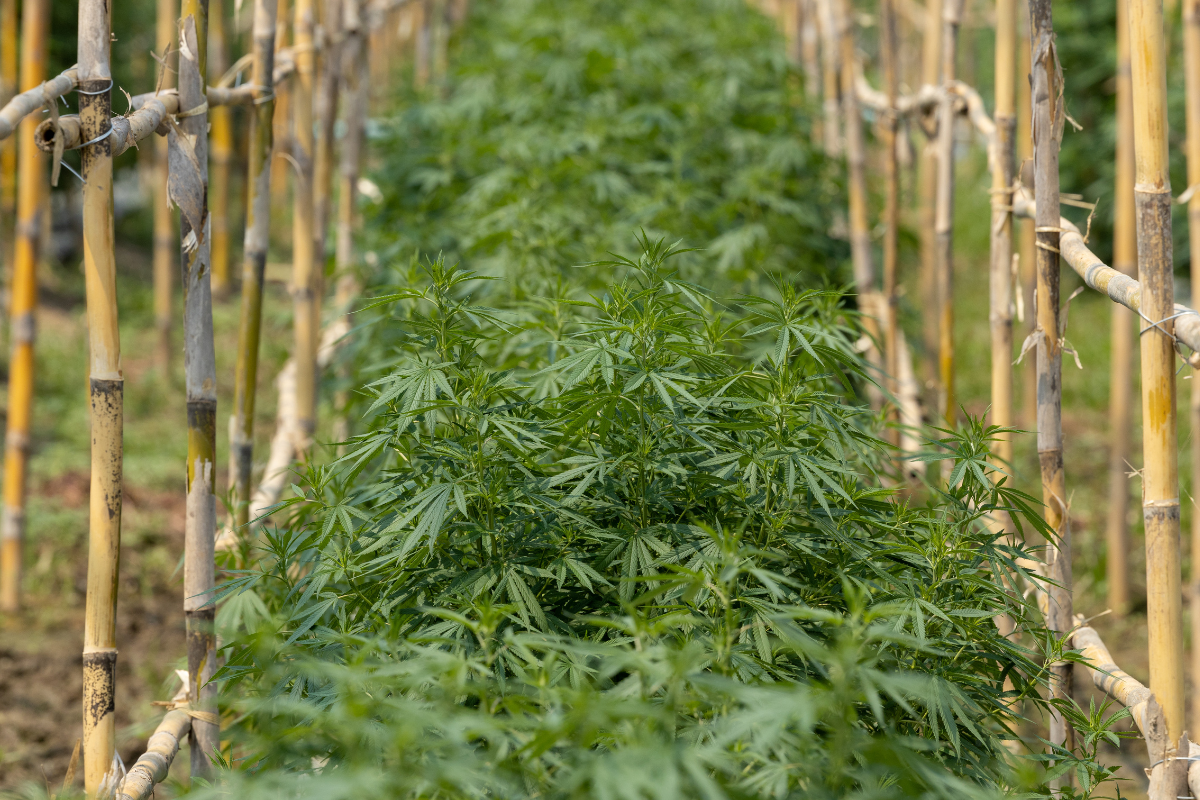
Marijuana farming refers to the practice of growing cannabis plants for a variety of purposes, including medical, recreational cannabis, and industrial uses.
This type of agriculture has become more popular as more countries have started to legalize marijuana.
Farmers use different techniques to grow their cannabis plants, such as outdoor grow operations, indoor cannabis cultivation, and greenhouse production, to make sure the plants grow well.
One of the great things about marijuana farming is that it can be done in a way that’s good for the environment. Some growers focus on using organic methods to lessen their impact on the planet.
However, there are still challenges to overcome, like making sure water is used efficiently and reducing pollution from fertilizers and pesticides.
Indoor cannabis cultivation can consume around 2,000 kWh of electricity per pound of dried flower produced.
How Does Marijuana Farming Affect the Environment?
Marijuana farming has a notable impact on the environment, influencing different ecosystems through practices that can lead to various ecological issues.
Some of the environmental impacts include:
- Pollution from fertilizers and pesticides
- Deforestation for crop land
- Disruption of biodiversity
- Soil degradation and erosion
- Excessive water usage
- Greenhouse gas emissions
- Produces volatile organic compounds

Deforestation
Deforestation caused by marijuana farming leads to the loss of natural habitats, changing the landscape and harming biodiversity.
When natural habitats are destroyed, wildlife is forced to move, and the delicate balance that supports different species is upset.
As trees are cut down to create space for a cannabis cultivation facility, the land can’t control water flow, soil erosion, and nutrient cycling as well. This can lead to poor soil quality, loss of fertile land, and a higher risk of erosion.
It’s important to take steps to lessen these effects and focus on taking care of the environment. This will help keep ecosystems diverse and maintain a healthy balance in nature.

Water Usage
Using too much water in cannabis cultivation can lead to problems like damaging natural habitats.
This high demand for water puts a lot of pressure on local water supplies and can upset the balance of ecosystems, which puts many plants and animals at risk.
As more people want cannabis, it’s really important for cannabis cultivators to use water wisely and think about the environment when they farm. This means using water-saving techniques and making sure they’re not harming the environment.
By being careful with how they use water, people involved in cannabis farming can help protect nature, keep ecosystems healthy, and make sure they can keep growing cannabis in the future.
Related Article: How to properly water your cannabis plants.
Soil Degradation
Soil degradation from growing marijuana can make the land less productive and harm the environment over time.
This problem can make the soil less healthy, losing important nutrients and its ability to grow crops well. To fix this, farmers can use methods like composting to put organic matter back into the soil.
They can also use techniques like planting cover crops and rotating different crops to keep the soil in good shape and stop it from eroding.
By using these methods, farmers can lessen their impact on the environment and make sure they can keep growing cannabis in a way that’s good for the planet in the long run.

Pesticide Use in Cannabis Farming
Using pesticides in your grow can be tough on wildlife, our surroundings, and our health. It’s super important to stick to the rules to keep things safe.
Too many pesticides can mess up nature and make the water and soil dirty. That’s why growers need to think about the environment and make sure they’re not harming it.
Cutting down on pesticides and trying out ways to farm that are good for the planet, like using natural pest control and organic methods, can make a big difference. This way, the cannabis world can help keep our planet diverse and healthy.
Read this article to learn more about growing organic marijuana.
Carbon Emissions and Marijuana Cultivation
When we grow marijuana, it can add to the carbon footprint of the cannabis industry, which isn’t great for climate change or the environment.
Indoor cultivation can use a lot of energy for lights, heating, and cooling, which adds to the problem. But there’s a silver lining – using outdoor or greenhouse methods with clean energy like solar or wind can be a game-changer.
By focusing on saving energy, going organic, and using tech that’s kind to the planet, the cannabis world can reduce its carbon footprint and move toward a more sustainable future.
The Impact of Cannabis Production on Wildlife
Growing weed can be a bit of a double-edged sword when it comes to our furry and feathered friends. It can mess with their homes, expose them to chemicals, and shake up the natural balance of things.
As more people get into growing marijuana, it’s leading to less forest space and breaking up animal homes, which can make it tough for native critters to do their thing.
The stuff farmers use to keep pests away and help their cannabis plants grow can also get into the soil and water, which isn’t great for the local plants and animals.
But there’s hope! Folks who care about conservation are working hard to keep animal homes safe and encourage farming that’s kind to the planet. Keeping nature in balance is super important for the health and variety of places where marijuana is grown.
When Farms Take Over Homes
People who want to protect wildlife are stepping up to keep natural areas safe and come up with farming methods that don’t hurt the environment.
By spreading the word and farming responsibly, we can help keep animals safe and make sure their homes are there for the long haul.

Shaking Up Nature with Cannabis Farms
Cannabis farming can really shake things up in nature. When we turn forests and other natural spots into places to grow cannabis, we can end up taking away homes and food for all sorts of plants and animals.
This loss of different kinds of life can mess with how the whole ecosystem works, from the bugs that pollinate plants to the health of the soil.
Using a lot of water, pesticides, and fertilizers for growing marijuana can also dirty nearby water and soil. This can hurt not just the area right around the farm but also places further away.
That’s why it’s super important for cannabis growers to think about the environment and use farming methods that are kind to the planet.
The Trouble with Chemicals in Cannabis Farming
When cannabis farms use harmful chemicals, it can be bad news for wildlife. These chemicals can directly poison animals or build up in the food chain, affecting lots of different creatures.
That’s why it’s really important to stop pollution before it starts and to get rid of waste in a safe way. This helps keep homes for wildlife safe and cuts down on the bad effects of growing marijuana on animals’ health.
By using the land responsibly and helping with efforts to protect wildlife, we can work toward a way of growing that’s good for the environment and keeps all kinds of life safe.
How Can Marijuana Farming Be More Environmentally Friendly?
Adopting sustainable practices and transitioning to organic farming methods can make cannabis cultivation more environmentally friendly and support wildlife conservation efforts.
- Implementing eco-friendly strategies in marijuana farming is essential for preserving biodiversity and promoting sustainable agriculture.
- Incorporating techniques such as water conservation, crop rotation, and natural pest control can significantly reduce the impact of cannabis cultivation.
- By creating wildlife-friendly habitats within cultivation areas and minimizing the use of synthetic chemicals, farmers can help protect local ecosystems and endangered species.
- Embracing conservation practices not only benefits the environment but also enhances the overall quality and purity of the marijuana products grown.
Sustainable Cannabis Farming
In the world of cannabis cultivation, going green is the way to go. Farmers who stick to environmental rules and manage their land responsibly are helping keep our planet healthy.
By recycling water, using natural ways to deal with pests, and taking care of the soil, these green thumbs can farm in a way that’s kind to the earth.
It’s all about making sure the land stays healthy and wildlife stays safe.

Powering Up with Renewables
Switching to renewable energy in cannabis farming is like giving the earth a big high-five. It cuts down on carbon emissions and energy consumption, which is great news for our climate.
Solar panels, wind turbines, or hydro power can all help cannabis growers reduce their impact on the environment and save some money on energy bills. It’s a win-win for the cannabis industry and the planet.
Waste Not, Want Not
Dealing with waste the right way is super important in cannabis farming. It’s all about keeping things clean and sustainable.
Reducing waste, recycling plant leftovers, and using eco-friendly farming methods can help keep the environment in good shape. A clean farm is a happy farm!
Organic Farming Methods
- Minimizes pesticide use
- Promotes soil health
- Enhances biodiversity conservation
- Reduces many environmental risks
- Fosters a sustainable ecosystem
- Prioritizes ecological balance
- Supports natural habitats of wildlife
- Contributes to conservation efforts
- Uses organic fertilizers
- Employs natural pest control methods
- Preserves water quality
- Reduces pollution
- Creates a harmonious relationship between cannabis cultivation and the environment
What Are the Regulations for Marijuana Farming and the Environment?
When it comes to growing marijuana, there are rules in place to make sure it’s done in a way that’s kind to the planet.
These regulations tackle big issues like climate change, keeping natural homes safe, and stopping pollution, all to make sure farming practices are sustainable.
- Checking the Impact: Before setting up cannabis cultivation facilities, it’s often required to do an environmental impact assessment. This means looking at how the farm might affect things like water use, soil health, and local wildlife, and finding ways to reduce any harm.
- Keeping It Clean: There are guidelines for using fewer pesticides and fertilizers, managing wastewater properly, and using less energy when growing weed. Efforts to fight climate change in this area focus on encouraging practices like recycling water, using energy from renewable sources, and cutting down on the carbon footprint to lessen the overall impact on the environment.
Conclusion
As the cannabis industry flourishes, the importance of addressing its environmental impact becomes increasingly apparent.
From saving water and nurturing soil to safeguarding wildlife and cutting down carbon emissions, the journey toward sustainability is diverse and complex.
Embracing organic farming, harnessing renewable energy, and following strict environmental guidelines are key steps the cannabis sector can take to lessen its ecological footprint.
This path to a greener future isn’t just for growers and industry leaders; it’s a shared responsibility that includes consumers and policymakers. Together, we can transform the green of cannabis into a symbol of eco-friendly practices.
Engage With Us
Now, it’s your turn to weigh in! How do you feel about the environmental impact of cannabis farming? Got any green ideas to make cannabis cultivation more sustainable?
Drop your thoughts and experiences in the comments below and let’s grow this conversation!

- Drying and Curing Done Right – November 6, 2025
- How Cannatrol Is Revolutionizing the Cure, One Grow at a Time – July 17, 2025
- Meet Evergreen Pod: The Reusable Solution Changing Cannabis Storage Forever – June 3, 2025


Leave a Reply