Last Updated on January 15, 2024 by Alex Roig
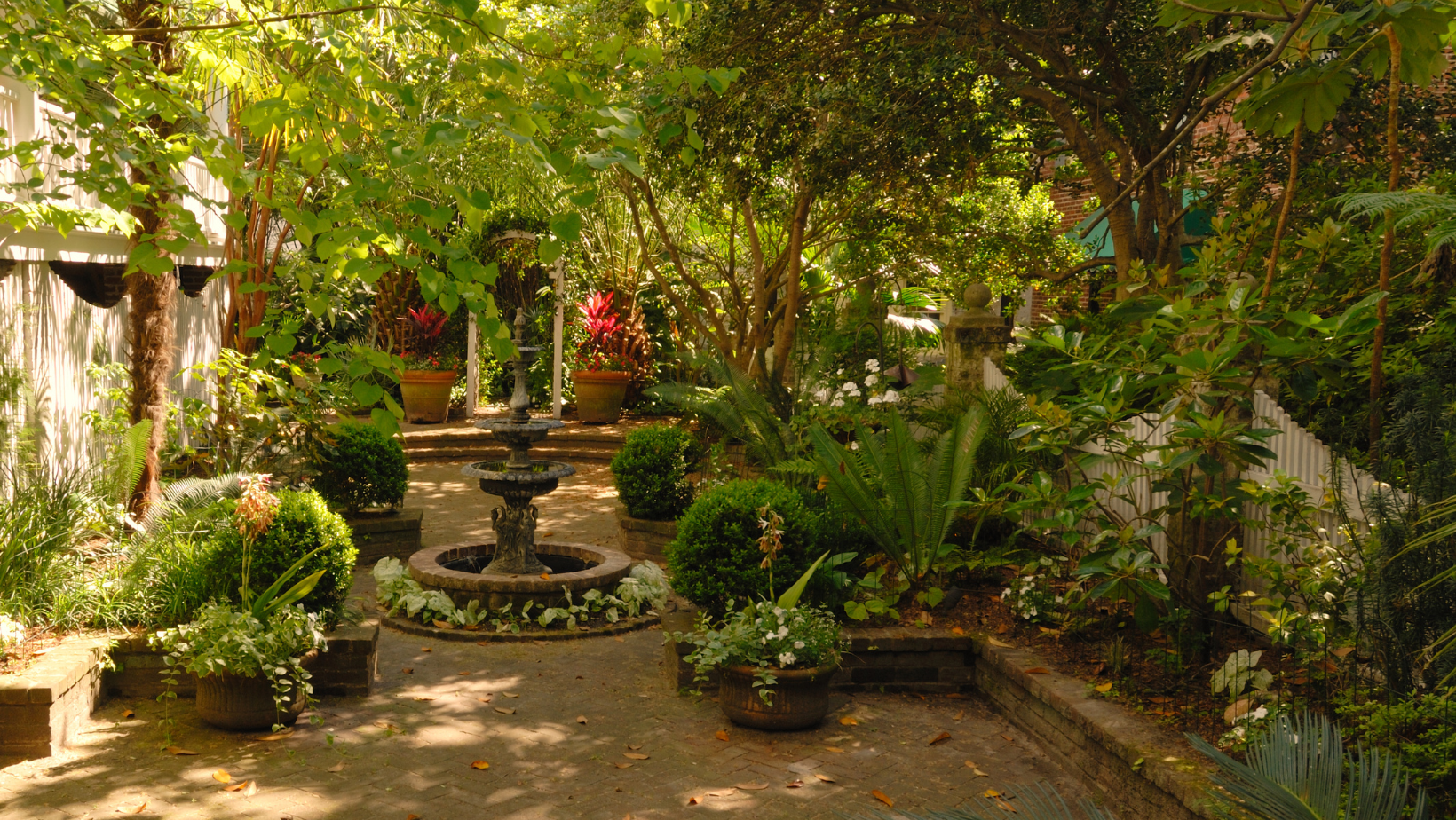
Gardening for wildlife in urban settings is not just an aesthetic choice, it’s a vital step to protect wildlife.
Amid the concrete and hustle of city life, these green oases become crucial sanctuaries for various species, offering food, shelter, and a respite from urban development.
This approach to gardening transforms our cities into havens for biodiversity, playing an essential role in the ecological network and fostering a harmonious coexistence with nature.
In this article, we’ll explore effective ways to create native wildlife-friendly gardens in urban areas, emphasizing the role of native plants and their impact on urban nature conservation.
Key Takeaways:
- Choose native plants for urban wildlife support.
- Utilize small spaces for diverse habitats.
- Plant nectar-rich and seed-bearing flora for food sources.
- Create natural shelters for urban wildlife.
- Implement sustainable, organic gardening practices.
- Engage in observing and adapting to the needs of local wildlife.

The Importance of Native Plants
As someone deeply immersed in the art of gardening, I can tell you that plants native to your area aren’t just a choice, they’re a gardener’s ally.
These plants have grown up with our local climate, soil, and critters, forming a community that’s tough, resilient, and incredibly supportive of each other.
When we choose native plants, we’re not just planting something pretty. We’re tapping into a tried-and-tested network that sustains and nurtures local wildlife.
These native plant species have evolved to become the perfect hosts for our native bees, birds and butterflies, offering them the nourishment and shelter they’ve relied on for centuries.
It’s like creating a neighborhood for nature right in our backyards.
What you Need to Get Started
To build a garden for native wildlife in the city, you’ll need:
- Native plants (flowers, shrubs, native trees)
- Water source (birdbath, small pond)
- Natural shelters (rock piles, logs)
- Bird feeders and nesting boxes
- Pollinator-friendly plants (for bees and butterflies)
- Organic mulch
- No-pesticide policy
- Compost bin (for organic waste)
- Garden tools (shovel, gloves, watering can)
- Educational resources (books, online guides)
How to Build a Garden for Wildlife in the City
Creating a wildlife-friendly garden in the city is a wonderful way to connect with nature and support local ecosystems.
Even in urban areas, small spaces like balconies, rooftops, and backyards can become havens for birds, bees, and butterflies.

Step 1. Select Urban-Tolerant Native Plants
I can’t stress enough the importance of selecting urban-tolerant native plants for your city wildlife garden.
It’s essential to delve into research on the local urban flora, identifying those species that are not just native but are also well-adapted to the specific challenges of an urban environment.
These plants are the cornerstone of a thriving garden, requiring less maintenance and water than their non-native counterparts, owing to their natural adaptation to the local climate and soil conditions.
Beyond their ease of care, native plants play a pivotal role in sustaining urban wildlife. They provide a sanctuary for local birds, beneficial insects, and other wildlife, offering them nourishing food sources and familiar habitats amidst the concrete landscape.
For example, these are some native plants that would be perfect in NYC:
- Eastern Purple Coneflower: Attracts butterflies and bees.
- New York Ironweed: Popular with butterflies.
- Butterfly Weed: Host plant to the Monarch butterfly.
- Black-Eyed Susan: Attracts bees and butterflies.
- Wild Bergamot: Favored by hummingbirds and bees.
- Swamp Milkweed: Essential for Monarch butterflies.
- Blue Wood Aster: Attracts bees and butterflies.
- Serviceberry: Birds love its berries.
- Red Columbine: Hummingbirds and butterflies are drawn to it.
- Joe-Pye Weed: A magnet for butterflies and bees.
“Watching something grow is good for morale. It helps us believe in life.”
Myron Kaufmann
Step 2. Maximize Limited Space for Diverse Habitats
In urban settings where space is a premium, maximizing every inch for wildlife habitats is crucial. I recommend exploring container gardens and vertical gardening methods, which allow you to turn even the smallest balconies or patios into lush, green sanctuaries.
Incorporating hanging baskets and planters on walls or fences can create diverse habitats in layers, adding depth and variety to your garden.
Don’t overlook the importance of water features, no matter how small. A simple birdbath or container water garden can become a vital resource for urban wildlife, attracting birds, butterflies, and beneficial insects.
These elements, when thoughtfully integrated, transform limited spaces into vibrant ecosystems, bringing a slice of nature into the heart of the city.
Related Article: A complete guide to urban vertical gardening.
Step 3. Cultivate Food Sources for Urban Wildlife
Cultivating a garden that serves as a food source for urban wildlife is both rewarding and essential for maintaining biodiversity in city environments.
For those with limited space like balconies or rooftops, selecting the right plants is key. Opt for flowering plants rich in nectar to attract pollinators like bees and butterflies, these can be easily grown in pots or window boxes.
Integrating seed-bearing plants or shrubs that produce fruits is an excellent way to provide food for birds and other small urban wildlife.
This approach not only supports local ecosystems but also adds a vibrant and dynamic aspect to your urban garden.
To enhance your urban garden as a wildlife food haven, consider these specific plant choices:
Balcony-Friendly Flowering Plants
- Ideal for attracting bees and butterflies.
- Can be easily grown in containers, making them perfect for small spaces.
- Examples include lavender, marigolds, and petunias.
Seed-Bearing Plants and Shrubs
- Provide a natural food source for birds.
- Suitable for balconies and rooftop gardens.
- Include varieties like sunflowers, berry-producing shrubs, and small fruit trees.
Related Article: A complete guide to urban container gardening.

Step 4. Create Wildlife Habitat in Urban Settings
In the heart of the city, creating wildlife habitat in your garden is a vital step towards cultivating a thriving urban ecosystem.
I always advise leaving a corner of your space, be it a balcony or rooftop garden, a little untouched. Let it grow slightly wild with native plants, twigs, or small logs.
This intentional wildlife habitat offers crucial hiding spots and habitats for insects and birds, allowing them to thrive in an urban setting.
Equally important is the installation of nesting boxes. Placing bird or bat boxes on balconies, terraces, or even against walls can provide safe and secure nesting sites.
Alongside native plants and shrubs, plant native trees. It’s crucial as they provide essential habitats and food sources for birds and insects.
These simple additions not only contribute to local biodiversity but also bring the joy and beauty of wildlife closer to our urban lives.
Read this article to learn more about rooftop gardening.

Click here to explore a Premium Bug Hotel For Kids, a durable cedar wood DIY kit that’s perfect for educating and engaging children in building homes for bees, butterflies, and other beneficial insects, enhancing your garden’s ecosystem.
Step 5. Implement Eco-Friendly Gardening Practices
To foster a healthy and sustainable urban garden that benefits both plants and wildlife, it’s crucial to implement eco-friendly gardening practices:
- Use organic gardening methods to avoid pesticides and chemical fertilizers, protecting urban wildlife.
- Attract beneficial insects and birds for natural pest control in your city garden.
- Compost organic waste to create nutrient-rich soil, reducing the need for synthetic fertilizers.
- Collect rainwater for irrigation to conserve water and reduce runoff pollution.
- Plant a variety of native species to create a balanced ecosystem and deter pest infestations naturally.
- Use mulch to retain soil moisture and suppress weeds without chemical herbicides.

Step 6. Observe and Engage with Your Urban Garden
Observing and engaging with your urban garden is a key aspect of creating a thriving sanctuary for city wildlife. By monitoring the visits of different species, you can gain insights into which plants and features are most attractive to them.
This can include noting the types of birds that perch on your balcony, the insects that visit your flowering plants, or even the small mammals that may find refuge in your green space.
Such observations allow you to understand better and cater to the needs of urban wildlife. Being flexible and ready to adapt your garden with the changing seasons or in response to the habits of your wildlife visitors is crucial.
This adaptive approach not only enhances the well-being of wildlife species but also enriches your experience in your wildlife garden, creating a dynamic and symbiotic relationship between you and the natural world thriving in your personal urban oasis.
Follow this link to learn how to build an urban pollinator garden.
Test Your Knowledge
Things to Avoid When Gardening for Wildlife
When gardening for wildlife in the city, it’s important to avoid a few key things to ensure a safe and thriving environment.
Steer clear of using chemical pesticides and fertilizers, as these can harm the wildlife you’re trying to attract and support.
Avoid over-manicuring your garden. A bit of natural, wild growth provides essential habitats for various species.
It’s also crucial to avoid introducing invasive plant species, which can disrupt the local ecosystem. Lastly, be mindful of water use – in urban settings, conserving water is not only environmentally responsible but also essential for a sustainable wildlife garden.
Wildlife Habitat Certification
Getting your garden, a certified wildlife habitat by the National Wildlife Federation is a rewarding step for any eco-conscious gardener.
By ensuring your space offers food, water, shelter, and breeding areas for wildlife, you not only enrich the local ecosystem but also join a community dedicated to biodiversity and conservation.
This certification is a testament to your efforts in creating a little haven for nature amidst our urban world.
If you want to learn more on how to get your garden certified, follow this link.

Specialized Wildlife Garden
Butterfly-friendly gardens are a beautiful and impactful way to contribute to the environment.
While there are many types of gardens you can cultivate, such as vegetable, flower, or herb gardens, each with its unique benefits and features, a butterfly-friendly garden specifically aims to attract and nurture these delightful insects.
- Select a sunny, sheltered spot in your garden that receives at least six hours of sunlight daily.
- Plant a variety of nectar-rich flowers like lavender, coneflowers, and butterfly bush (Buddleia) to feed adult butterflies.
- Include host plants such as milkweed and parsley for caterpillars to eat and grow.
- Ensure continuous bloom throughout the seasons by planting a mix of perennials and annuals.
- Create shallow water sources or a damp area for butterflies to drink and absorb minerals.
- Avoid using pesticides or chemicals that can harm butterflies and caterpillars.
- Incorporate flat stones or sunny spots for butterflies to bask and warm their wings.
- Leave some areas of natural growth or leaf litter for butterflies to use for shelter and overwintering.
Conclusion
Urban wildlife gardening is a meaningful step towards environmental stewardship. It allows us to transform our urban spaces into thriving habitats, supporting biodiversity and creating a connection with nature right in our cities.
Remember, every plant choice and garden feature make a difference in fostering urban wildlife.
Engage With Us
How have you made your urban space wildlife-friendly? Share your experiences and inspire others in the comments below!

- Drying and Curing Done Right – November 6, 2025
- How Cannatrol Is Revolutionizing the Cure, One Grow at a Time – July 17, 2025
- Meet Evergreen Pod: The Reusable Solution Changing Cannabis Storage Forever – June 3, 2025


Leave a Reply