Last Updated on January 13, 2024 by Alex Roig
Designing a shade garden offers a distinct pathway to transform shaded spaces into tranquil and verdant sanctuaries, debunking the myth that gardens require full sun to flourish. This guide delves into how to design a shade garden, turning areas with limited sunlight into cool oases abounding with plants tailored for lower light, creating an environment that’s both captivating and eco-friendly.
Key Takeaways:
- Shade gardens thrive in limited sunlight, offering tranquility in urban settings.
- These shade gardens feature plants adapted to lower light conditions.
- Different shade types impact plant choices.
- Preparing soil and proper planning are essential.
- Shade-tolerant plants, compost, and mulch are key.
- Innovative watering solutions conserve water and promote plant health.

What is a Shade Garden
A shade garden is an area designed for spots that receive limited direct sun.
It features plants that thrive in lower light conditions, creating a lush and serene environment in parts of the shade garden that are shaded from intense sun exposure.
Types of Shade
- Full Shade: This area gets no direct sunlight.
- Partial Shade: Receives partial sun, but mostly shaded.
- Dappled Shade: Sunlight filters through the canopy of trees.
- Deep Shade: Almost completely shaded, very little to no direct sunlight.
- Light Shade: Filtered light most of the day, no direct intense sunlight.
- Open Shade: Bright but protected from midday sun, typically on east or west sides.
- Dry Shade: Shaded and dry soil conditions, often under thirsty trees.
- Wet Shade: Shaded areas with moist or wet soil, common near water sources.
Before You Get Started
Before diving into building your shade garden, it’s crucial to do some groundwork. Start by testing your soil to understand its type and nutrient levels, this will guide you in amending it for optimal plant health.
Then, sketch a rough layout of your shade garden design, considering existing structures, tall trees, and the movement of sunlight throughout the day.
This planning phase is key to ensuring that your shade garden not only thrives but also fits seamlessly into your space, creating a harmonious and functional outdoor area.
What You Need
- Shade-tolerant plants
- Compost or organic soil amendments
- Mulch
- Garden tools (spade, trowel, pruners)
- Watering system (hose, watering can, drip irrigation)
- Pathway materials (stones, bark mulch, pavers)
- Containers or planters (if using)
- Lighting fixtures (solar lights, lanterns)
- Gardening gloves

How to Build a Garden in the Shade
Starting a garden in a shaded area offers unique opportunities to create a lush, green oasis.
When building a garden in the shade, it’s essential to choose plants that thrive in lower light conditions and to prepare the soil to support their growth.
Step 1. Analyzing Your Garden’s Shade
Alright, let’s begin with step one, which is all about getting to know the light in your garden. It’s like being a detective, but for sunlight.
You’ll want to take a good look at your shade garden at different times of the day. See where the sun shines and where it doesn’t.
Some spots might be sunny in the morning but shady in the afternoon, and vice versa. This is super important because plants are picky about their sun.
Just like us, some love basking in it all day, while others prefer the cool, shady spots. By figuring out the sunny and shady spots, you’ll have a much better idea of what plants will be happiest where.
Think of it as setting the stage for a thriving shade garden that feels right at home in its surroundings.
“My extravagance is my garden – it’s the first thing I look at every morning when I wake up. It gives me so much pleasure.”
Ina Garden
Step 2. Choose Suitable Plants
In a city setting with shade, you’ll want tough shade plants and other foliage plants that can handle a bit of neglect and still thrive. Look for plants that don’t mind the shade or the city’s hustle and bustle.
Your local nursery is your best friend here – they know exactly what works in our unique urban environment.
For flowers, consider:
- Hostas
- Japanese forest grass
- Bleeding Heart
- Hydrangea
- Foxglove
And for vegetables:
- Lettuce
- Spinach
- Swiss Chard
- Kale

Step 3. Prepare the Soil
Here’s the scoop on soil: City dirt can be tough, often packed down and hungry for nutrients. Before planting your shade garden, mix in some good compost. This is like giving your soil a hearty meal, making it rich and ready for shade plants.
Think of compost as a magic ingredient that loosens up tight soil and feeds it, all at the same time. Also, remember, water-logging is a no-go for most shade lovers.
Make sure your soil drains well. A simple test? Water the area and see how long it takes to soak in. If it’s slow, you might need to tweak your soil a bit more. Happy soil means happy plants!
Step 4. Plan Your Layout
Let’s make your shade garden a masterpiece. Think about arranging your plants like art – mix up their heights, colors, and textures for a stunning display.
Use tall plants as a backdrop and add shorter ones in front. Sprinkle in some shade-loving flowers for a splash of color throughout the year. And if planting in the ground isn’t an option, no problem! Containers and raised beds are perfect alternatives.
They’re easy to manage and can really enhance the look of your shade garden. Remember, gardening is your canvas – have fun with it!
Read this article to learn more about container gardening.
Step 5. Incorporate Urban Elements
- Install wall planters or trellises for vertical gardening in limited spaces.
- Include small water features like fountains or bird baths for tranquility.
- Choose statues or garden art to add visual interest.
- Establish a peaceful retreat amidst the urban bustle.
- Transform the space with soft garden lighting for evening ambiance.
Related Article: How to grow vertically in the city.
Step 6. Regular Maintenance
Maintaining a shade garden in the city needs a bit of regular love and attention. Remember, your shade-loving plants usually need less water, so only water them when necessary.
It’s important to keep an eye out for any pesky pests or signs of disease – catching them early is key. Pruning is your friend for keeping plants in shape and encouraging healthy growth.
And don’t forget about mulch. It’s great for holding in moisture and keeping those annoying weeds at bay. Regular checks and a little care can keep your urban shade garden thriving.

What to Avoid
In the world of shade gardening, there are a few pitfalls you’ll want to steer clear of. First off, avoid over-planting. Shade-loving plants need their space to flourish, so give them room to breathe.
Also, be cautious with water. Too much can lead to root rot, especially in shaded areas where evaporation is slower.
And here’s a big one – resist the temptation to plant sun-loving flowers in the shade. They might be pretty, but they won’t be happy there.
Stick to the shade-tolerant stars, and your shade garden will thank you with lush, healthy growth.
How to Prevent Shady Garden Problems
Poor Soil Drainage: Shade gardens often struggle with waterlogging due to less evaporation.
- Prevention: Improve soil drainage by adding organic matter like compost or well-rotted manure. You might also consider raised beds to ensure better water runoff.
Limited Plant Variety: It can be challenging to find a variety of plants that thrive in shaded areas, leading to a lack of diversity.
- Prevention: Do thorough research or consult with a local nursery to discover a wide range of shade-loving plants, including different textures, colors, and blooming times. There are more options than you might think!
Pest and Disease Issues: The cooler, moister environment of a shade garden can unfortunately be inviting to pests and diseases.
- Prevention: Ensure good air circulation by not overcrowding plants. Regularly inspect plants for early signs of trouble and use organic pest control methods. Choosing disease-resistant plant varieties can also be a big help.
Creating Layers in Planting
- Ground Covers: Low-growing plants like moss or ivy.
- Mid-Layer: Bushes and larger flowering perennials.
- Tree Canopy Layer: Small trees or large shrubs.
- Accent Plants: Add texture with distinctive plants like hostas in the mid-layer.
- Seasonal Interest: Choose plants for continuous appeal through different seasons.
- Color Contrast: Mix leaf colors across layers for depth and vibrancy.
- Vertical Elements: Use climbers like clematis on walls or fences.
- Harmony with Hardscape: Ensure plant layers complement paths and shade garden features.

Shade Garden Design Ideas
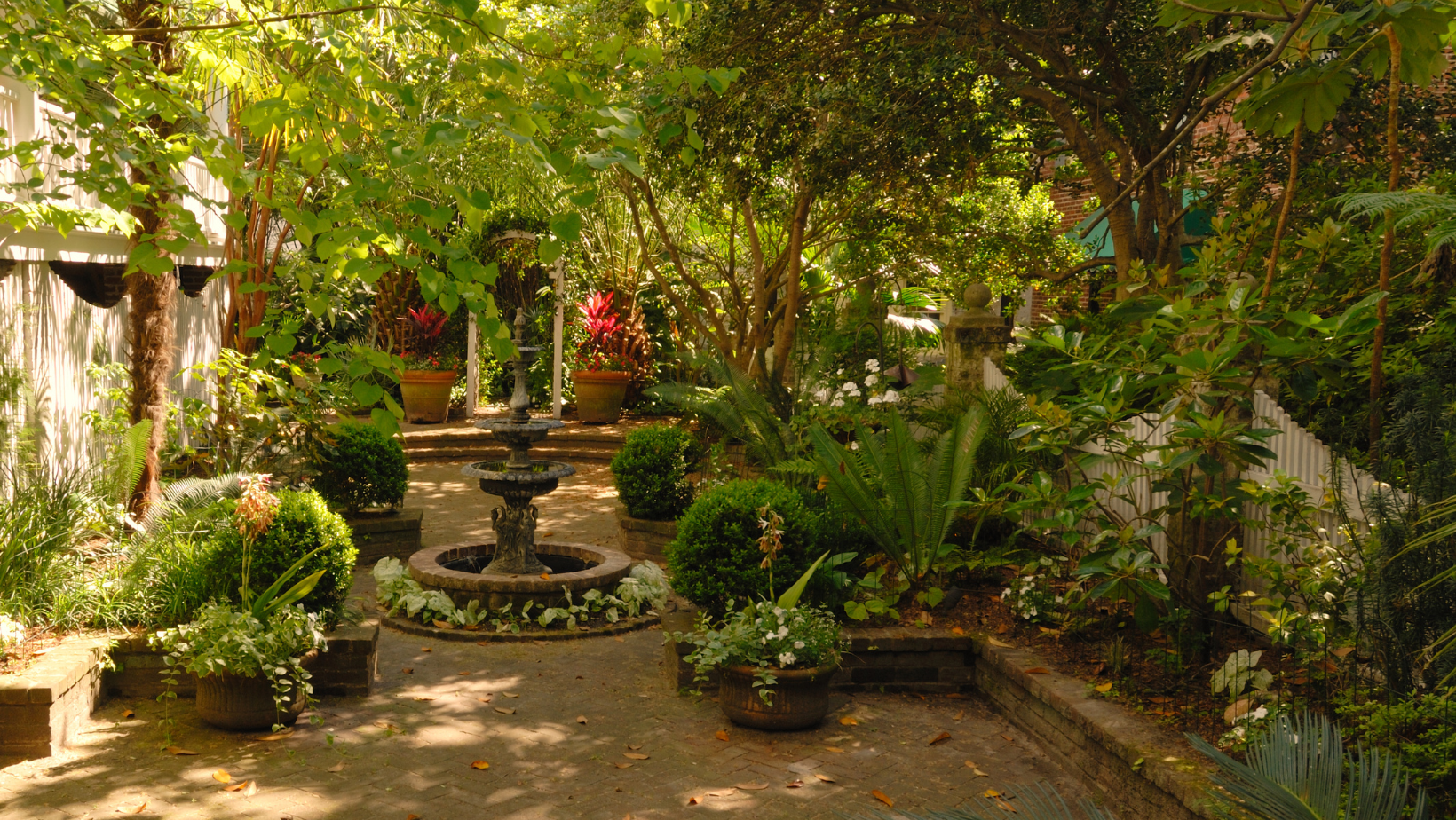
For your city shade garden, imagine carving out a peaceful corner amid the urban buzz. Use winding paths to add a sense of mystery, include a bench or two for a quiet escape, and maybe a small water feature for a soothing touch.
Mix up leafy greens with splashes of color to brighten a shady spot. Toss in a couple of fun, urban-style shade garden art pieces to give it a personal flair.
The idea is to create a little tranquil haven right in the heart of the city while incorporating creative shade garden ideas.
15 Tips for Designing a Shade Garden in the City
- Identify areas with full, dappled, or partial shade.
- Check for drainage, pH level, and nutrient content in the soil.
- Select plants that thrive in your specific shade conditions.
- Combine ground covers, mid-height bushes, and taller shrubs for layered heights.
- Use a variety of leaf shapes, sizes, and colors for visual interest in foliage.
- Incorporate shade-tolerant flowering plants for color.
- Design paths to guide movement and exploration in your shady garden.
- Add benches or chairs for relaxation and enjoyment.
- Incorporate climbing plants or wall-mounted planters to use vertical space.
- Add a small pond, fountain, or birdbath for tranquility with water features.
- Choose plants that invite birds and beneficial insects to attract wildlife.
- Apply mulch to retain moisture and suppress weeds.
- Use pots for flexibility and to add height variation with containers.
- Personalize with sculptures, stones, or decorative pieces as shade garden art and decor.
- Prune, deadhead flowers, and monitor for pests and diseases as part of regular maintenance.
Related Article: How to garden for wildlife.
Test Your Knowledge
Importance of Compost in Your Shade Garden
Compost is a game-changer for your shade garden. It’s like a superfood, enriching the soil with vital nutrients and improving its structure, which is crucial in shaded areas that can often be dense and compacted.
Adding compost helps in retaining moisture, an essential aspect for plants in low-light conditions. It also encourages beneficial microbial activity, fostering a healthy soil ecosystem.
Simply put, integrating compost into your shade garden’s soil lays the foundation for robust plant growth and a thriving, lush green space.
Related Article: Your guide on everything composting.

Innovative Watering Solutions for Shade Gardens
Creating a watering strategy tailored to your city shade garden is essential for its success. Drip irrigation systems offer precision, delivering water directly to the root zones of your plants.
Self-watering planters are convenient, ensuring that container plants receive consistent moisture.
To save water in shaded areas, consider applying mulch to retain moisture, collecting rainwater in barrels, and watering during the cooler parts of the day to minimize evaporation.
These innovative watering solutions not only promote plant health but also conserve water resources, making them valuable additions to your urban shade garden.
Conclusion
Designing a shade garden in the city is not only possible but also a rewarding endeavor. With the right plants, soil preparation, and thoughtful planning, you can create an oasis of greenery and tranquility in urban spaces.
By embracing innovative watering solutions, you’ll not only ensure the health of your plants but also contribute to water conservation.
Engage With Us
Now, we’d love to hear from you: Have you ever considered creating a shade garden in your city?
What challenges or ideas do you have for urban shade gardening?
Share your thoughts in the comments below and let’s continue this conversation. Happy gardening!

- Drying and Curing Done Right – November 6, 2025
- How Cannatrol Is Revolutionizing the Cure, One Grow at a Time – July 17, 2025
- Meet Evergreen Pod: The Reusable Solution Changing Cannabis Storage Forever – June 3, 2025


Leave a Reply