Last Updated on February 9, 2024 by Alex Roig
Understanding the marijuana growth cycle of the cannabis plant is crucial for growers to optimize the yield and potency of their crops.
Marijuana, also known as cannabis, has been cultivated for centuries for its medicinal, recreational, and industrial properties.
In this article, we’ll delve into the various stages of the marijuana growth cycle, from seed to harvest.
Keep on reading to ensure you don’t make costly mistakes that could jeopardize your entire harvest.
Be aware that handling, using, and/or distributing marijuana is federally illegal. This content does not encourage illegal activities or provide legal or tax advice. Ensure compliance with your local, state, and federal laws.

Account Overview
- Introduction to cannabis growth stages.
- Germination basics and care.
- Tips for choosing the right cannabis seeds.
- Overview of seedling and vegetative stages.
- Insights into the flowering and bud formation.
- Advanced care: training, nutrients, and pest control.
- Harvesting, curing, and seed storage essentials.
Germination: The Beginning of Life
What is Germination?
Germination is like a baby step for cannabis plants. It’s when the tiny seed wakes up and starts to sprout.
Think of it as the seed saying “hello” to the world for the first time. This “hello” phase usually lasts about a week or so.
So, if you’re growing, this is the time to give your cannabis seed some extra love and care. After all, it’s just taking its first breaths!

How to Get Your Seeds to Sprout Successfully?
Getting your cannabis seeds to sprout is like helping a baby bird hatch. First, you want to make sure you’ve got a good seed.
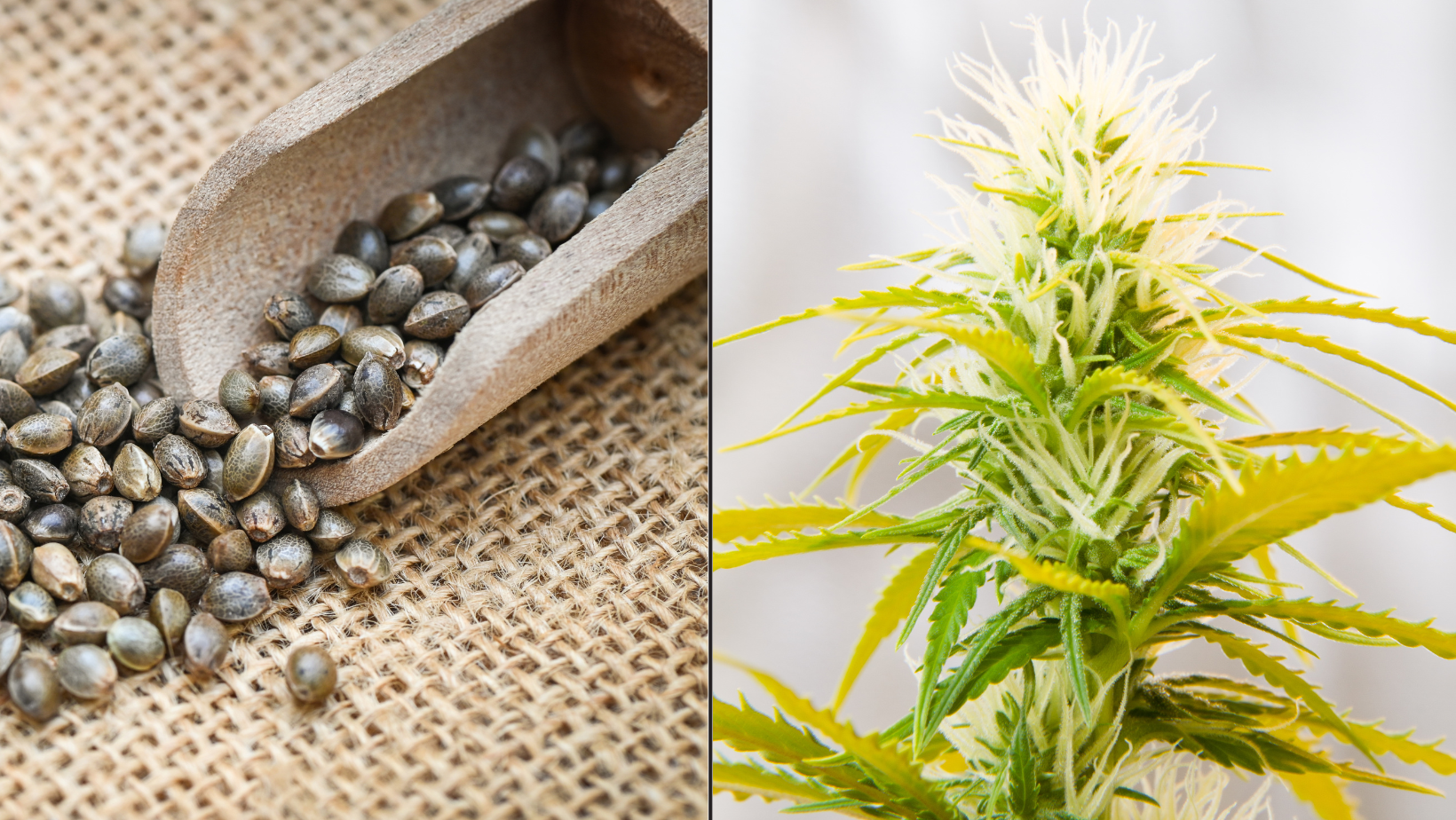
It should feel firm when you touch it and have a dry, brownish look. When it begins to sprout, that’s its way of saying it’s ready for the next step.
Now, it’s all about giving it a cozy home in some soil. As days go by, you’ll notice it’s doing two things: sending a tiny root deeper into the soil and pushing a small stem upwards.
And the best part? Those first tiny leaves say your baby weed plant is off to a great start!
Steps for Successful Sprouting:
-
Pick a firm, brownish cannabis seed.
-
Wait for the initial sprout.
-
Plant it in nurturing soil.
-
Monitor the root’s downward journey and the stem’s upward plant growth.
-
Spot and cheer for the first baby leaves! 🌱

Choosing the Right Cannabis Seeds
Choosing the right cannabis seeds is a crucial step in the cultivation process. It’s like picking the right ingredients for a recipe.
Here’s a straightforward guide to help you make the right choice:
Determine Your Purpose:
-
Medical vs. Recreational: Some strains are better suited for medical use due to their CBD content, while others are chosen for recreational use because of their THC levels.
-
Indica vs. Sativa vs. Hybrid: Indica strains are typically relaxing, Sativas are more energizing, and Hybrids are a mix of both.
Follow this link to learn more about Indica vs Sativa strains.
Growing Environment:
Check out each tab to learn more:
Some cannabis seeds are bred specifically for indoor cannabis cultivation, while others thrive outdoors. Consider where you’ll be growing.
Some strains prefer cooler climates, while others need more warmth. Choose a strain that suits your local weather conditions.
Some strains flower quickly, while others take longer. If you’re impatient or have a short growing season, opt for faster-flowering strains.
If you’re growing for quantity, look for strains known for their high yields.
Just like choosing a wine or perfume, the flavor and scent can be a personal preference. Some people love fruity strains, while others might prefer earthy or piney notes.
If you’re a beginner or using marijuana for medical reasons, you might want a strain with lower THC content. Experienced users might seek out high-THC strains.
Especially important for outdoor growers, some strains are more resistant to pests and diseases.
Related Article: Your guide on growing marijuana indoors vs outdoors.
Seed Type:
-
Regular Seeds: These can develop into male or female plants. You’ll need to identify and remove male plants to prevent pollination.
-
Feminized Seeds: These are bred to ensure they only produce a female cannabis plant, which are the ones that produce buds.
-
Auto-flowering Seeds: These seeds automatically switch from the vegetative phase to the flowering phase based on age, not light exposure.
-
Reputation of Seed Bank: Always buy from a reputable cannabis seed bank. Check reviews, ask fellow growers, and ensure they’re known for quality and reliability.
-
Budget: Cannabis seeds can vary in price. Set a budget but remember, sometimes you get what you pay for.
Remember, growing marijuana is both an art and a science. While these guidelines can help, sometimes the best way to find the perfect strain is through experimentation and experience.
Related Article: The 17 best hybrid strains

Seedling Stage: The Foundation of Growth
Characteristics of the Seedling Stage
The seedling stage is like the toddler phase for your marijuana plant. After the initial sprouting in the germination stage, your weed plant enters this 2-3 week period where it’s all about plant growth and exploration.
This is when you’ll first see those iconic fan leaves that marijuana is known for. At first, these leaves might look super simple, just a single blade.
But give it some time, and you’ll notice more blades, or “fingers,” starting to show up. It’s like the plant’s way of giving you a high-five!
By the time it’s done with this stage, a happy, healthy cannabis plant will usually sport leaves with about 5-7 of these fingers. And trust me, watching those leaves multiply and grow is one of the most exciting parts of the whole growing journey!
Caring for Seedlings
-
Seedlings are baby cannabis plants that need extra care and attention.
-
They can easily catch diseases or get moldy.
-
Keeping their space clean is super important.
-
Watch out for how wet the soil is, too much or too little water isn’t good.
-
They love light! Make sure they get plenty of it.
-
Starting them indoors with artificial light can give them a strong start.
-
Gentle air circulation can help keep them healthy and prevent mold.
-
Avoid direct, strong drafts or winds that could damage them.
-
Check on them regularly to catch any issues early on.

Vegetative Growth Stage: Rapid Growth and Development
Duration and Characteristics
The vegetative growth stage is like the teenage years for the marijuana plant. It’s a time of rapid growth and development. This phase can stretch from 3-16 weeks, depending on the strain and growing conditions.
During this period, the plant’s roots dig deeper and spread out, establishing a strong foundation. The foliage, or the green part of the plant, also goes into overdrive.
You’ll see the stems getting thicker and taller, and the leaves becoming denser.

Here’s what’s happening beneath the surface:
Root System Expansion
The roots are not just growing downward but also branching out. This network of roots helps the plant absorb more water and nutrients from the soil.
Nutrient Uptake
As the plant grows, it gets hungrier! It will start consuming more nutrients, especially nitrogen, which is essential for leaf and stem development.
Photosynthesis Boost
With more leaves, the plant can absorb more sunlight, turning it into energy through photosynthesis. This energy fuels rapid cannabis growth.
Preparation for Flowering
Even though it’s not producing buds yet, the plant is gearing up for the flowering stage. It’s building its strength and reserves to produce those resin-filled buds in the next phase.
Understanding this stage is crucial because it sets the stage (pun intended!) for the flowering phase.
A strong, healthy vegetative phase means the plant will be better prepared to produce a bountiful harvest.
“Is marijuana addictive? Yes, in the sense that most of the really pleasant things in life are worth endlessly repeating.”
Richard Neville
Key Considerations for the Vegetative Stage
The vegetative stage is a pivotal time in the life of a marijuana plant. It’s like prepping an athlete for a big race.
Here are some vital things to keep in mind to ensure your plant thrives during this period:
Watering
As the plant grows bigger and thirstier, it’ll need more water. But be careful – overwatering can drown the roots, while underwatering can stress the plant. It’s essential to find that sweet spot where the soil is moist but not soggy.
Nutrients
Nitrogen is the star nutrient during this phase. It’s like protein for plants, helping them build strong stems and lush green leaves. But remember, while nitrogen is crucial, the plant also needs a balanced diet of other nutrients. Think of it as a balanced meal plate for your green buddy.
Training Techniques
Techniques like topping (cutting off the top of the plant) can encourage it to grow bushier with more branches. Pruning, or removing some of the lower leaves, can help the plant focus its energy on the top leaves that get the most light. These techniques are like gym workouts for your plant, helping it grow strong and in the right shape.
Light
More light usually means more energy for the plant. For indoor growers, consider increasing the light duration or intensity. But also ensure the plant gets some dark hours; it needs its beauty sleep too!
Air Circulation
Good airflow is essential. It strengthens the plant’s stems and helps prevent mold and pests. Think of it as a gentle breeze that keeps the plant fresh.
Spacing
If you’re growing multiple cannabis plants, ensure they have enough space. Crowded cannabis plants can compete for light and nutrients, leading to slower cannabis growth.
Pest and Disease Watch
The vegetative stage is when your plant is most vulnerable to pests like spider mites or diseases like mold. Regularly inspect your plant, and if you spot any issues, address them immediately.
By paying attention to these key considerations, you’re setting your marijuana plant up for a successful flowering stage and, eventually, a bountiful harvest.

Flowering Stage: The Formation of Buds
What Happens During the Cannabis Flowering Stage?
When the flowering stage begins, the plant thinks, “Okay, it’s my time to make some beautiful buds!” These buds are like the plant’s fruits, and they start to form and get bigger.
As the days go by, you’ll notice these buds becoming more dense and sticky. That stickiness is because of the resin, which contains the stuff that gives marijuana its effects.
Now, remember how I mentioned the reduction in light? It’s like telling the plant, “Hey, winter is coming!”
In nature, shorter days signal the plant that it’s time to produce buds before the cold sets in. So, when we reduce the light, we’re kind of tricking the plant into thinking it’s time to get ready for winter.
As the weeks pass, the plant puts all its energy into making these buds perfect. By the end of the flowering stage, the buds are ripe and ready. And that’s when you know it’s time to enjoy the fruits of your labor!
Subphases of the Flowering Stage
- Flower Initiation (Weeks 1-3): The plant continues to grow, and female plants develop pre-flowers.
- Mid-Flowering (Weeks 4-5): Bud growth becomes more pronounced.
- Late Flowering/Ripening (Week 6 and onwards): Buds reach full maturation.

Harvesting the Buds
Harvesting is the crucial final step in the marijuana growing process. It’s when you collect the mature buds from the plant.
The right time to harvest depends on the bud’s appearance and the strain’s specific characteristics. Proper harvesting ensures the best quality in terms of flavor, aroma, and potency.
It’s essential to get this step right to maximize the benefits of your hard work.
Steps to Harvest Marijuana Buds:
-
Check for Readiness: Look at the buds closely. They should be plump and the tiny hairs on them, are called trichomes. Some people use a magnifying glass to get a better look.
-
Pick the Right Time: Harvesting is best done in the morning or evening when the temperature is cooler. It’s like picking fruits when they’re most fresh.
-
Cut the Plant: Using sharp scissors or pruning shears, cut the main stem of the cannabis plant. If the plant is large, you can cut individual branches.
-
Trim the Buds: Remove any large leaves around the buds. This is called “trimming.” It’s like peeling an apple before eating.
-
Dry the Buds: Hang the buds upside down in a cool, dark place. This helps them dry out slowly, essential for preserving their flavor and effects.
-
Store Properly: Once dried, store the buds in airtight containers. Think of it as keeping cookies in a jar to keep them fresh!
Harvesting might seem like a lot of steps, but with a little practice, it becomes a joyful routine. Happy harvesting! Anything else you’d like to know?
Related Article: How to properly cure your cannabis.
Advanced Care: Ensuring Optimal Growth and Yield
Cannabis cultivation doesn’t end with understanding the basic stages of cannabis growth. Advanced care techniques can significantly impact the quality and quantity of the yield.
Let’s delve into some of these techniques and their importance in the cannabis growth cycle.

Training Techniques: Shaping Your Cannabis Plants
Why Train Cannabis Plants?
By using training techniques, growers can make sure every part of the cannabis plant gets enough light, which helps it grow evenly and produce more buds.
This is super important, especially when growing indoors where space can be tight. Training not only helps the plant make the most of the light cycle, it gets but also keeps it from getting too big and out of control.
In short, training is all about helping the cannabis plant be its best self and giving you a bigger, better harvest.
To learn more about the proper light cycle for a cannabis plant read this article.
Popular Training Techniques
Topping
By snipping off the top of the main stem, the plant is encouraged to grow two main colas instead of just one. This can lead to a bushier plant with more buds.
Low Stress Training (LST)
This is a gentle method where you bend the stems and tie them down, usually with soft ties. The idea is to spread the plant out so all its parts get good light exposure.
Screen of Green (ScrOG)
Here, a screen or net is placed above the growing plants. As the plants grow, their branches are woven into the screen. This helps create a flat, even canopy, ensuring all buds get equal light.
Super Cropping
This involves gently pinching and bending the stems until they’re slightly damaged, making them stronger and more robust. It’s a bit like how exercise breaks down our muscles to build them back stronger.
Fimming
Similar to topping, but instead of cutting the main stem, you pinch or cut the newest growth. This can result in the cannabis plant producing four main colas instead of two.
Lollipopping
This technique involves removing the lower growth of the plant, which doesn’t receive much light. By doing this, the plant focuses its energy on the top buds.
Main-Lining
Also known as “manifolding,” this technique involves creating a “hub” off of which 8-16 main colas grow, ensuring even nutrient and water distribution.
Each of these techniques has its own benefits and is chosen based on the grower’s goals and the specific growing environment.

Nutrient Management: Feeding Your Plants Right
Understanding Nutrient Needs
Just like humans need a balanced diet to grow and stay healthy, marijuana plants also have specific dietary needs. These needs change as the cannabis plant moves from one stage of its life to another.
Primary Nutrients:
-
Nitrogen (N): In the early stages, especially during the vegetative phase, marijuana plants crave nitrogen. It’s like the protein in our diet, helping the plant build strong stems and lush green leaves.
-
Phosphorus (P): As the plant enters the flowering stage, phosphorus becomes super important. It’s like the calcium for bones but for plants, aiding in robust bud formation.
-
Potassium (K): This nutrient is crucial throughout the plant’s life. Think of it as the plant’s multivitamin, helping with photosynthesis, root development, and resistance to diseases.
Secondary Nutrients:
-
Calcium: Just as our bones need calcium, plants use it to build their cell walls.
-
Magnesium: This plays a key role in photosynthesis as it’s a core component of the chlorophyll molecule, which gives plants their green color.
-
Sulfur: Essential for certain amino acids and vitamins, sulfur helps the plant’s enzymes function.
Micronutrients
These are the vitamins of the plant world. They’re needed in tiny amounts but are vital for the plant’s health. This includes elements like iron, manganese, zinc, copper, molybdenum, and boron.
It’s essential to provide the right balance of these nutrients. Too little, and the cannabis plant can show signs of deficiency. Too much, and you can “burn” the plant. Just like us, it’s all about finding that sweet spot of nutrition for optimal health and growth.
Signs of Nutrient Deficiencies
Yellowing leaves, brown spots, and stunted growth can indicate nutrient deficiencies. Diagnosing and addressing these issues promptly is crucial to ensure the plant’s health.
Related Article: Why your cannabis plants leaves are turning yellow.

Marijuana Nutrients
Get the ultimate plant boost with our all-in-one nutrient pack, suitable for any medium and enough for 5 plants – grab our special combo deal now and watch your garden flourish!

Pest and Disease Management: Protecting Your Crop
Spider mites, aphids, and whiteflies are common pests that can infest marijuana plants. Mold and mildew can pose significant threats, especially in humid conditions.
I wrote an article that dives deep into the topic of pest issues on your marijuana plant. Follow this link to learn more.
Organic Pest Control
Organic pest control is all about using natural methods, rather than chemicals, to keep pests away from plants. It’s like choosing to eat organic food to avoid pesticides. Here’s a closer look:
Natural Predators:
These little red beetles are not just pretty to look at; they’re hungry for aphids, a common plant pest. Releasing ladybugs in your garden can help reduce aphid populations.
These tiny creatures feed on spider mites, which can damage plants. They’re like the security guards of the plant world, keeping harmful pests in check.
Their larvae are known to munch on pests like aphids, whiteflies, and other soft-bodied insects.
These insects are top predators and will eat a variety of pests, from caterpillars to beetles.
Related Article: Your guide to common marijuana pests.
Organic Solutions:
-
Neem Oil: Extracted from the neem tree, this oil disrupts the life cycle of pests. It’s a bit like using natural soap instead of chemical detergents.
-
Insecticidal Soaps: Made from natural ingredients, these soaps break down the protective layers of pests, causing them to dehydrate and die.https://wegrownyc.org/yellow-leaves-on-marijuana-plant/
-
Diatomaceous Earth: This is a powder made from fossilized algae. It’s sharp at a microscopic level and cuts into pests, causing them to dry out.
-
Garlic and Chili Sprays: These can be made at home and act as repellents. Pests don’t like the strong smell and taste.
-
Companion Planting: Some plants, like marigolds and basil, can repel pests. Planting them next to your main crops can keep pests at bay.
Remember, the key to effective organic pest control is observation. Regularly check your plants for signs of pests and act quickly.
Using natural methods not only protects your plants but also ensures a safer environment for everyone.

Organic Neem Oil
Discover the natural power of neem oil to safeguard your marijuana plants against pests…

Harvesting and Curing: The Final Steps
When to Harvest?
The optimal time to harvest depends on the strain and desired effects. Trichomes, the tiny resin glands on the buds, change color as they mature.
Harvesting when they are milky white with a hint of amber will produce a more euphoric high while waiting until they are mostly amber will result in a more sedative effect.
The Importance of Curing
Curing is like aging a fine wine or cheese. Just as these products improve with time under the right conditions, so do marijuana buds.
When you cure the buds, you’re allowing the remaining moisture to slowly leave the plant material.
This process breaks down any leftover sugars and chlorophyll, which can cause a harsh taste when smoked or vaped.
During curing, the cannabinoids and terpenes in the buds also mature, leading to a smoother, richer flavor and a more pleasant high.
Curing creates an environment where beneficial bacteria thrive, while harmful ones, like those causing mold, are kept at bay. This ensures that the buds you’ve worked so hard to grow remain safe to consume and store for longer periods.
While it might be tempting to skip this step or rush it, curing is vital. It’s the final touch that ensures your harvest is of the highest quality, both in taste and effect.
How to Properly Store Your Cannabis Seeds
Storing marijuana seeds properly is essential to maintain their viability. Place the cannabis seeds in an airtight container, like a zip-lock bag or a small jar, to keep out moisture.
Then, store the container in a cool, dark place, such as a basement, closet, or even the refrigerator. Avoiding temperature fluctuations and keeping them away from direct sunlight will ensure your cannabis seeds remain dormant and ready for planting when the time comes.
Properly stored cannabis seeds can remain viable for several years, so taking these simple steps can make all the difference.

Ultimate Seed Storage
Transform Your Seed Storage Game with This Incredible Container!

Key Takeaways:
- Understanding marijuana’s growth cycle is crucial for optimal yield.
- Germination stage is the initial sprouting phase, requiring careful attention.
- Seed selection impacts the plant’s growth, potency, and yield.
- Seedling and vegetative stages focus on foundational growth.
- The flowering stage is when buds form and mature.
- Advanced techniques can enhance growth and protect against pests.
- Proper harvesting, curing, and seed storage ensure quality and longevity.

Conclusion
In conclusion, cultivating marijuana is a journey that requires patience, knowledge, and a touch of green-thumbed passion.
From the delicate phase of germination to the rewarding moment of harvesting, each stage offers its own set of challenges and joys.
By understanding the intricacies of each phase and employing advanced care techniques, growers can optimize their yield and enjoy the fruits of their labor in the form of potent and flavorful buds.
As the world of cannabis cultivation continues to evolve, so do the methods and techniques that ensure a successful harvest.
Engage With Us
Now, we’d love to hear from you: What’s the most valuable lesson you’ve learned in your marijuana growing journey?
Share your insights and experiences in the comments below. Your wisdom might just be the guiding light for a budding grower out there!

- Drying and Curing Done Right – November 6, 2025
- How Cannatrol Is Revolutionizing the Cure, One Grow at a Time – July 17, 2025
- Meet Evergreen Pod: The Reusable Solution Changing Cannabis Storage Forever – June 3, 2025


Leave a Reply