Last Updated on February 9, 2024 by Alex Roig
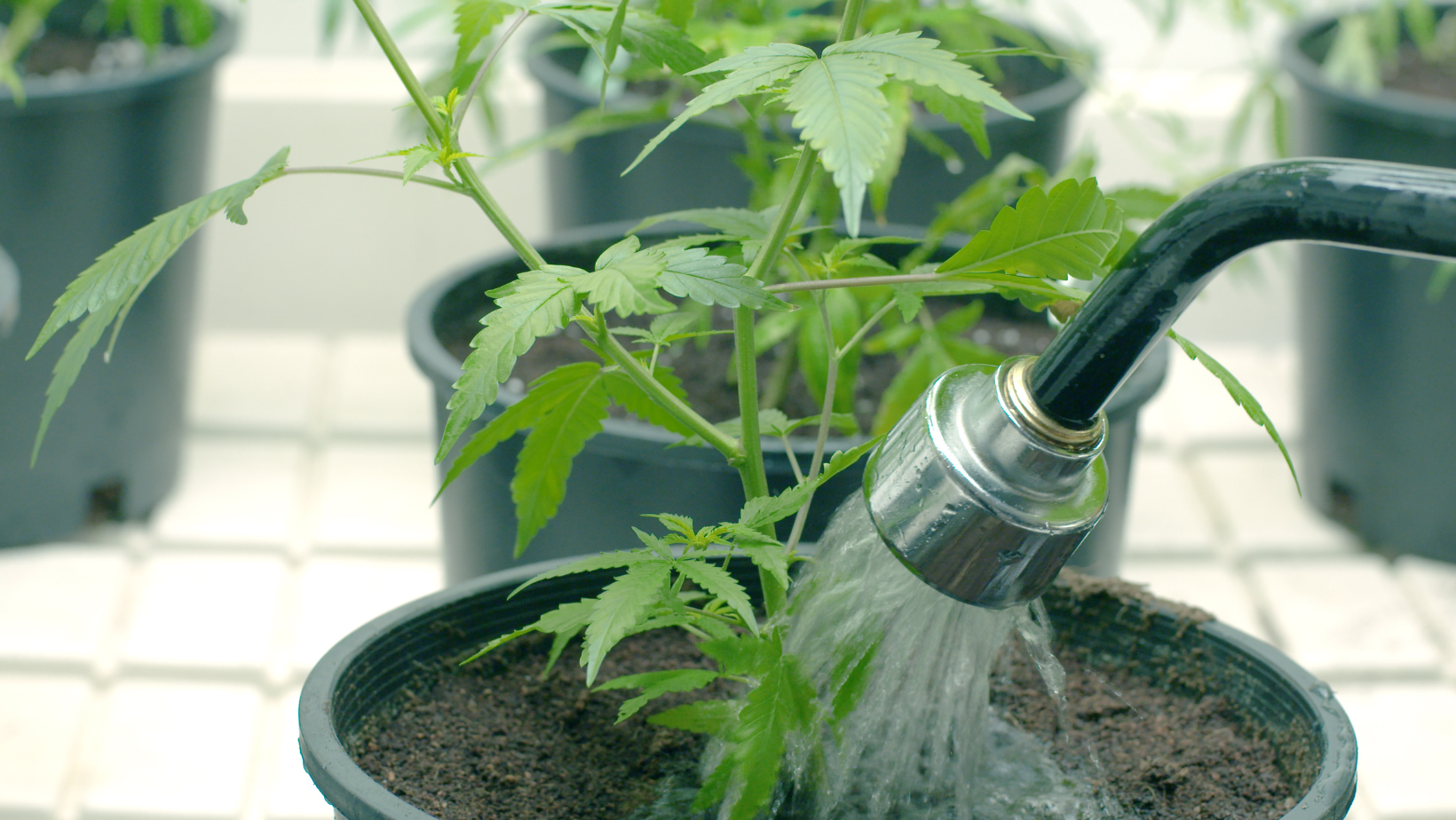
Growing marijuana demands careful attention to cultivation practices, with watering marijuana plants playing a key role. Watering cannabis plants effectively is crucial for their health and yield.
It involves not just the frequency but also the understanding of the plant’s life cycle, growing medium, and environmental factors. Proper watering techniques can significantly enhance the quality and quantity of the harvest.
This article explores the best practices for watering cannabis plants, considering different growth stages and systems.
Be aware that handling, using, and/or distributing marijuana is federally illegal. This content does not encourage illegal activities or provide legal or tax advice. Ensure compliance with your local, state, and federal laws.

Article Overview:
- Effective Watering Methods: Key techniques for optimal marijuana plant growth.
- Water Usage and Quality: How much and what type of water to use for healthy plants.
- pH Level Management: The importance of pH balance in water for nutrient uptake.
- Temperature and Runoff Control: Managing water temperature and runoff for plant health.
- Over/Underwatering Signs: How to identify and correct watering issues.
- Debunking Watering Myths: Clarifying common misconceptions in marijuana cultivation.
How Much Water Should You Use?
The water consumption of a cannabis plant varies significantly based on several factors, including its size, growth stage, environmental conditions, and whether it’s grown indoors or outdoors.
For outdoor growing, cannabis plants typically require more water compared to indoor plants. This is due to factors like higher light levels, wind, and temperature fluctuations that can increase evaporation and transpiration rates.
An outdoor cannabis plant, especially during the peak of its vegetative and flowering stages, can consume up to 10 gallons of water per day in hot, dry conditions.
Indoor growing, in controlled environments, usually means less water consumption. The controlled climate, stable temperatures, and reduced light intensity compared to direct sunlight result in lower evaporation and transpiration rates.
An indoor cannabis plant might need water every 2-3 days, consuming between 0.25 to 1 gallon per watering session, depending on the size of the plant and the growth stage.
Here are some guidelines to help you understand how much water to use:
Pot Size and Plant Size
The amount of water needed depends on the size of your pot and plant. A general rule is to use approximately one quart of water for a one-gallon pot. As the plant grows, its water needs increase.
Soil Type
Different growing mediums retain water differently. For instance, soil holds more water than coco coir or perlite. Adjust watering volume based on the medium’s water retention capacity.
Environmental Conditions
Temperature, humidity, and light intensity in your grow area can affect how quickly your plants use water. Hotter, drier conditions usually mean more frequent watering.
Plant Stage
Cannabis plants have different water requirements at different stages of growth. Seedlings need less water compared to plants in the vegetative or flowering stages.
Water Until Runoff
A good practice is to water until about 10-20% of the water drains out of the bottom of the pot. This ensures the entire root system is reached and helps to flush out any salt buildup.
Check the Soil
Before watering, check the soil moisture. If the top inch of soil feels dry, it’s usually a good indicator that your plant needs water.
Observe Plant Responses
Pay attention to your plants’ appearance. Drooping, yellowing leaves can indicate over-watering, while wilting or curling leaves often signal under-watering.

The Role of Water in Marijuana Cultivation
Water is essential for the healthy growth of weed plants. It is a key factor in photosynthesis, nutrient uptake, and overall plant health.
The quality, frequency, and method of watering can significantly impact the growth and yield of your plants.
The Importance of Water Quality
The quality of water used to water marijuana plants is as crucial as the frequency and amount of watering.
High-quality water ensures that plants can absorb the nutrients they need without the risk of harmful substances hindering their growth.
Poor water quality can lead to nutrient deficiencies, toxicities, and even plant death. The right water quality can make a significant difference in the overall health and yield of your weed plants.
Things you should consider:
-
Use a water filter or let tap water sit for 24 hours to evaporate these chemicals, which can harm marijuana plants.
-
Aim for low Total Dissolved Solids in your water to maintain control over nutrient concentrations, crucial for hydroponic systems.
-
Water used for marijuana plants should be free of contaminants.
-
Ideal pH levels: 6.0-6.8 for soil, 5.5-6.5 for hydroponics.

Best Water to Use for Your Cannabis Plants
The best water for watering cannabis plants is clean, pure, and free from harmful contaminants. Ideally, rainwater or filtered water is preferred, as they are typically free of chlorine, chloramines, and excessive minerals that can disrupt plant growth.
Rainwater is naturally soft and has a balanced pH, making it excellent for marijuana cultivation. If using tap water, filtering it to remove chlorine and adjusting its pH to the optimal range for your growing medium enhances its suitability.
For hydroponic systems, using distilled or reverse osmosis water provides a clean slate for precise nutrient management.
Watering Techniques for Cannabis Plants
-
Drip irrigation system
-
Ebb and flow (flood and drain) system
-
Deep water culture (DWC)
-
Automated watering systems with timers
-
Nutrient film technique (NFT)
-
Hand watering with precise control and monitoring

Drip Irrigation System
The drip irrigation system is highly efficient for marijuana cultivation, providing a steady, controlled supply of water directly to the roots.
This targeted watering reduces waste and allows for the precise application of nutrients, making it ideal for both small and large-scale operations.
Ebb and Flow (Flood and Drain) System
Ebb and flow systems periodically flood the plant’s root zone and then drain the water back into a reservoir.
This technique ensures that roots get ample oxygen and nutrients, promoting robust growth. It’s particularly effective for consistent hydration and is adaptable to various plant sizes.

Deep Water Culture (DWC)
Deep Water Culture is a hydroponic method where roots are suspended in a nutrient-rich water solution. This constant access to nutrients and oxygen stimulates rapid growth and larger yields, making it a favorite among many marijuana growers.
Automated Watering Systems with Timers
Automated watering systems equipped with timers offer convenience and consistency. They are perfect for ensuring regular watering schedules, especially in the absence of the grower.
These systems can be customized to suit various stages of plant growth and different types of growing mediums.
Nutrient Film Technique (NFT)
The Nutrient Film Technique provides a continuous flow of water and nutrients over the roots within a shallow channel.
This method is excellent for efficient nutrient uptake and allows the roots to access ample oxygen. It’s favored for its ability to foster fast growth and high yields.

Hand Watering
Hand watering allows for the most control and personal interaction with the plant. It’s best for growers who prefer a hands-on approach and offers the flexibility to adjust water volume and nutrients based on the plant’s immediate needs.
This method is ideal for ensuring that each plant gets individualized care.

Best Time to Water Cannabis Plants
The optimal time for watering cannabis plants is during the early morning hours. This timing takes advantage of the cooler temperatures and less intense sunlight, which reduces evaporation and allows water to seep deeply into the soil, reaching the roots effectively.
Morning watering also ensures that the plants have sufficient moisture throughout the day when they are actively photosynthesizing and growing.
It helps in preventing fungal diseases that might occur due to prolonged moisture on leaves, which is more likely if plants are watered in the evening.
By following this practice, growers can maximize water efficiency and promote healthier plant growth.
Seedling Watering Schedule
Here is a table that breaks down the watering schedule for marijuana plants at each phase of their life cycle:
| Plant Growth Phase | Watering Frequency | Notes |
|---|---|---|
| Seed Germination | Once or twice a day | Keep soil consistently moist, not soggy. Use a spray bottle. |
| Seedling | Once every 2-3 days | Increase water amount as seedlings grow. Use spray bottle, top inch of soil should be dry. |
| Vegetative | Every other day or so | Increase water quantity, ensure good drainage. Top 1-2 inches of soil should be dry. |
| Flowering | When topsoil feels dry | Be cautious of overwatering. Water when topsoil is dry. |
| Late Flowering/Pre-Harvest | Gradually reduce frequency | Reduce water slightly to stress plants, but avoid complete dryness. |
How to Water Cannabis Plants When You’re Not Home
Ensuring your cannabis plants are adequately watered when you’re not home is essential for maintaining their health and growth.
One of the best solutions is to set up an automated watering system. This system can be programmed to water your plants at specific intervals, ensuring they receive the right amount of water even in your absence.
Options like drip irrigation systems or self-watering planters can be highly effective. These systems are not only convenient but also help in providing consistent moisture to your plants, which is crucial for their well-being.
For shorter periods, simple DIY solutions like using a water bottle with small holes in the cap can provide a slow and steady drip to the plants.

Identifying Overwatering
Identifying overwatering in weed plants is essential to prevent damage and ensure their healthy growth. Overwatering can lead to several issues, so recognizing the signs early is key to mitigating potential problems.
Here are the signs to look out for:
-
Leaves that are limp and droopy
-
Leaves feel overly soft and appear dark green
-
Soggy soil or standing water at the base of the plant
-
Stunted growth rate of the plant
-
Yellowing or browning of leaf edges
-
Mold or algae presence on the soil surface
-
Roots appear brown and mushy instead of white and firm

“Marijuana prohibition is just the stupidest law possible…Just legalize it and tax it like we do liquor.”
Identifying Underwatering
Detecting underwatering in marijuana plants is critical for maintaining their health and vitality. Underwatered plants can quickly experience stress, affecting their growth and yield.
Here are the key indicators of underwatering:
-
Leaves wilting or drooping
-
Dry, crumbly soil
-
Slowed or stunted growth
-
Leaves turning yellow or brown
-
Brittle or crispy leaf texture
-
Soil pulling away from the pot edges
-
Dropping leaves or flowers
Solving Watering Problems
Here is a table that outlines the problems of overwatering and underwatering marijuana plants, along with solutions for each:
| Problem | Signs | Solution |
|---|---|---|
| Overwatering | Leaves limp and droopy, soft and green leaves, soggy soil, stunted growth, yellowing or browning leaf edges, mold or algae on soil, brown and mushy roots | Reduce watering frequency, improve soil drainage, allow soil to dry out slightly between waterings, check for proper pot size and drainage holes |
| Underwatering | Leaves wilting or drooping, dry soil, stunted growth, yellow or brown leaves, brittle leaves, soil pulling away from pot edges, dropping leaves or flowers | Increase watering frequency, ensure even soil moisture, use a moisture meter for accuracy, check environmental factors like light and temperature |
Using Nutrients in Watering
Incorporating nutrients into the watering routine is a critical aspect of growing healthy marijuana plants.
The common practice of adding nutrients every other watering is designed to prevent the accumulation of excess nutrients in the growing medium, which can lead to nutrient burn and other related problems.
This alternating approach ensures that plants receive the essential nutrients they need for growth while also getting periods of ‘flushing’ with plain water, which helps to clear any potential buildup.
It’s crucial to closely monitor the nutrient levels in the water, making adjustments based on the plant’s stage of growth, health, and the specific requirements of the strain being cultivated.
Regularly checking the pH and electrical conductivity (EC) of the water can also provide insights into the nutrient concentration, enabling more precise and effective feeding.
This balanced approach to nutrient watering is key to promoting vigorous growth and high yields in marijuana cultivation.
Related Article: Everything you need to know about nutrients for your cannabis plants.
Watering in Different Mediums
Here’s a list of different growing mediums for marijuana plants and guidelines on how they should be watered:
Soil:
-
Offers good water retention.
-
Requires monitoring to prevent overwatering.
-
Water when the top inch of soil feels dry to the touch.
Coco Coir:
-
Has high water retention and good drainage.
-
Needs more frequent watering than soil, often daily.
-
Ensure thorough watering until slight runoff is observed.
Perlite:
-
Known for excellent drainage and aeration.
-
Does not retain water well, so it dries out quickly.
-
Often mixed with other mediums; adjust watering accordingly.
Vermiculite:
-
Good for water retention.
-
Usually mixed with soil or perlite to balance water holding and drainage.
-
Water less frequently than pure soil or coco coir mixes.

Environmental Factors
Environmental factors such as temperature, humidity, and light intensity greatly influence the watering needs of marijuana plants.
Hot, dry conditions and high light exposure increase water consumption, requiring more frequent watering. Conversely, high humidity can decrease the need for water.
Outdoor plants often need more water due to direct environmental exposure. It’s essential to adjust your watering schedule based on these varying environmental conditions to maintain healthy plant hydration.
Adjusting Water pH
Adjusting the pH of water used to water cannabis plants is crucial for optimal nutrient uptake and plant health.
Cannabis plants typically thrive in a slightly acidic environment, with ideal pH ranges being 6.0 to 6.8 for soil and 5.5 to 6.5 for hydroponic systems.
Water that is too acidic or too alkaline can hinder the plant’s ability to absorb nutrients, leading to deficiencies or toxicities.
To ensure the water is within the desired pH range, regular testing with a pH meter is essential. If adjustments are needed, pH up or down solutions can be used.
This careful management of water pH not only maximizes nutrient availability but also contributes to the overall robustness and yield of the plants.
To learn more about pH for your cannabis plants follow this link.
pH Management Tools
-
Employ pH meters to accurately measure water pH.
-
Utilize pH adjusters to achieve the ideal pH range.
-
Conduct regular pH testing for consistent water quality.
-
Adjust pH based on growth medium and plant stage.
-
Monitor changes in pH after adding all the nutrients or adjusters.
Monitoring Water Temperature
Monitoring the ideal water temperature, around 20°C (68°F), is essential for plant health:
-
Optimal Range: This temperature supports robust growth and nutrient uptake.
-
Cold Water Issues: Temperatures below 20°C can slow plant metabolism and nutrient absorption, potentially stressing the plant.
-
Hot Water Problems: Temperatures above 20°C may overheat roots, reduce oxygen levels, and impair nutrient uptake.
-
Nutrient Absorption: Extreme temperatures affect nutrient solubility and the efficiency of nutrient uptake by plants.
-
Monitoring Tools: Using thermometers or automated systems helps maintain ideal water temperatures.
-
Temperature Control: In fluctuating environments, water heaters or coolers can be used to regulate temperature.
Regularly monitoring and adjusting water temperature is crucial for maintaining plant health and ensuring effective nutrient absorption.
Understanding Runoff
Understanding and managing runoff is an important aspect of plant care, particularly in potted plants. Runoff refers to the water that drains out of a pot after watering.
This process is crucial as it helps prevent the accumulation of salts in the soil, which can lead to nutrient lockout—a condition where plants are unable to absorb essential nutrients.
To effectively manage runoff, it’s important to ensure that pots have adequate drainage. This allows excess water and salts to escape, preventing harmful buildup.
Monitoring the color and pH of the runoff can provide valuable insights into the soil’s nutrient levels and overall health.
If the runoff is discolored or has an abnormal pH, it might indicate nutrient imbalances or other issues requiring attention. Regularly checking these factors can help maintain a healthy growing environment for plants.
Watering Myths and Misconceptions
-
Overwatering boosts growth: Actually, it can harm cannabis plants.
-
Wilting means lack of water: It can also indicate overwatering.
-
Daily watering is a must: Water needs vary with growth stage and environment.
-
Bigger plants need more water: Needs depend more on growth stage and roots.
-
Rainwater is harmful: It’s often beneficial for being soft and chemical-free.
Key Takeaways
- Understanding the importance of proper watering for marijuana plants.
- Learning about different watering techniques and systems.
- Recognizing the signs of over and underwatering.
- Tips for watering at different growth stages.

Conclusion
Mastering the art of watering cannabis plants is a fundamental aspect of successful cultivation.
From recognizing the varying water needs at different growth stages and environments to selecting the appropriate watering techniques and systems, every decision plays a crucial role in the health and yield of your cannabis plants.
Understanding the importance of water quality, pH levels, and temperature, as well as managing runoff effectively, are all key to ensuring optimal nutrient uptake and plant growth.
Being aware of common watering myths and misconceptions allows growers to make informed decisions backed by science.
Whether you’re a novice or an experienced grower, implementing these precision watering methods can revolutionize your grow, leading to healthier plants and more abundant harvests.
Remember, the care and attention you give when you water plants, will reflect the quality of your crop tomorrow.
Engage With Us
How have your watering practices evolved over time in your cannabis cultivation journey, and what specific techniques or tips have you found most effective for achieving optimal plant health and yield?
Let us know in your comments below.

- Drying and Curing Done Right – November 6, 2025
- How Cannatrol Is Revolutionizing the Cure, One Grow at a Time – July 17, 2025
- Meet Evergreen Pod: The Reusable Solution Changing Cannabis Storage Forever – June 3, 2025


Leave a Reply