Last Updated on February 9, 2024 by Alex Roig
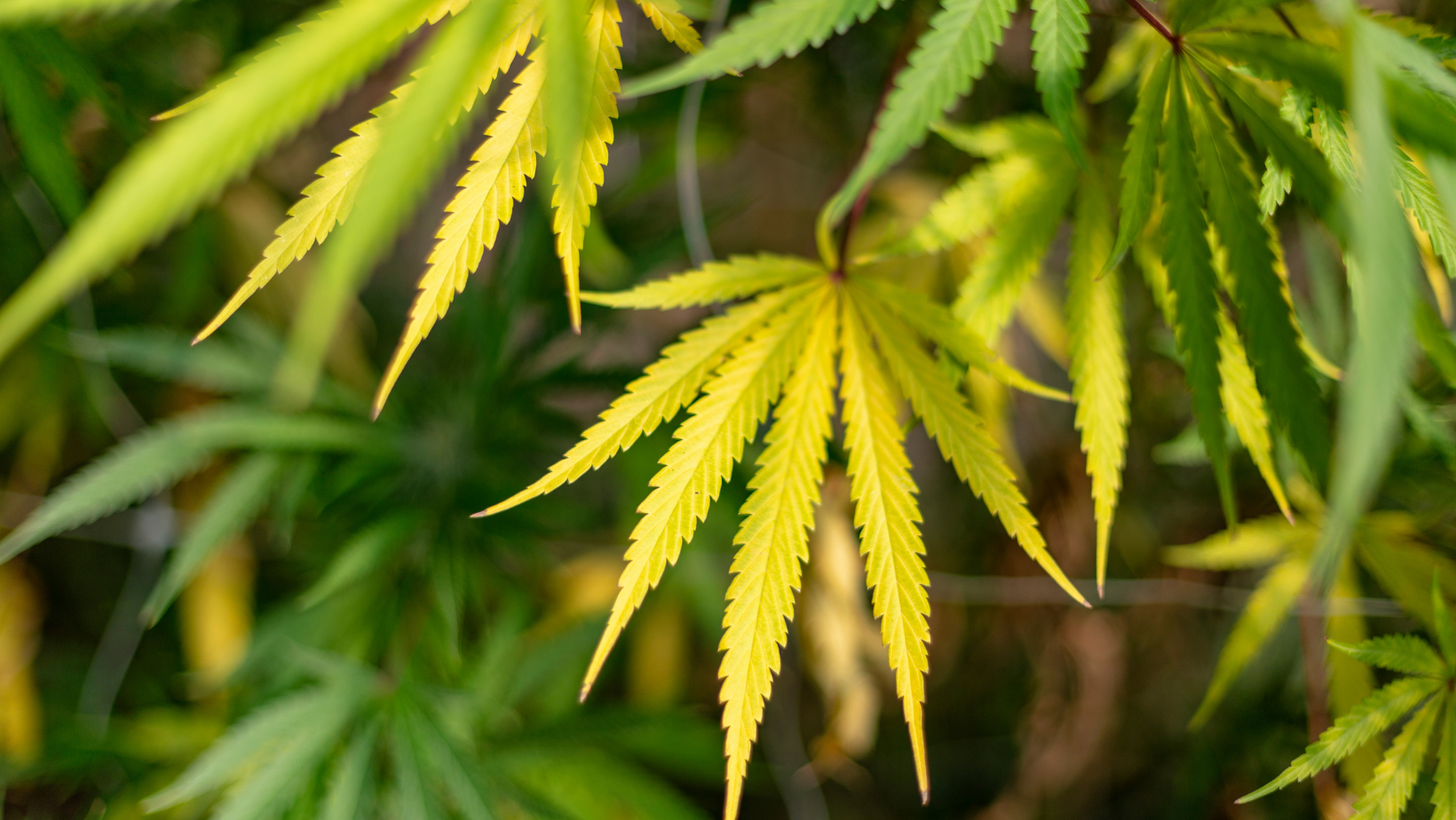
The marijuana plant, a renowned species in the world of horticulture and recreational use, occasionally presents cultivators with a perplexing challenge: Why is my marijuana plant turning yellow.
This phenomenon, while common, can be a source of concern as it may signal underlying issues that could potentially impact the health and yield of the plant.
The article provides a thorough guide on managing and preventing yellowing in marijuana plants to ensure healthy growth.
Be aware that handling, using, and/or distributing marijuana is federally illegal. This content does not encourage illegal activities or provide legal or tax advice. Ensure compliance with your local, state, and federal laws.

Key Takeaways
-
Understanding Yellowing: Recognizing and addressing chlorosis in plants.
-
Identifying Causes: Exploring various factors inducing yellowing.
-
In-depth Insights: Detailed analysis of each yellowing cause.
-
Solution-Oriented Approach: Actionable steps to tackle yellowing issues.
-
Preventive Measures: Strategies for nutrient management and pest control.
Understanding the Yellowing: A Symptom, Not a Disease
Yellowing leaves, scientifically termed chlorosis, is not a disease in itself but a symptom indicating distress or nutritional deficiency in a plant.
When a marijuana plant begins to exhibit yellow or pale leaves, it’s signaling a plea for help, urging cultivators to delve deeper into its growing conditions and rectify potential issues.
The Culprits Behind the Yellow Hue
-
Nutrient Deficiencies
-
Watering
-
Ph Imbalance
-
Light Stress
-
Pest Infestation
Continue reading to learn about each of these common problems and how to tackle each of them.
Nutrient Deficiencies: A Balancing Act
Ensuring that marijuana plants receive a balanced nutrient solution is pivotal for their growth and development.
The nutrient solution should be adjusted according to the specific needs of the plants at various stages of their life cycle.
A well-balanced nutrient solution not only supports robust growth but also aids in maximizing yield and potency.
-
Nitrogen Deficiency: A nitrogen deficiency can manifest as yellowing and wilting of the lower leaves, and in severe cases, it can lead to stunted growth.
-
Magnesium Deficiency: A deficiency in magnesium can be identified by interveinal chlorosis (yellowing between the veins of the leaves) and might also exhibit purple or red stems.
-
Iron Deficiency: When iron is deficient, young leaves may turn yellow while the veins remain green, a condition known as chlorosis.

Watering Woes: Striking the Right Balance
Navigating through the watering needs of a marijuana plant can sometimes feel like treading on a tightrope. Striking that perfect balance where the roots are neither swimming nor gasping for water is crucial.
Overwatering can suffocate the roots, leading to root rot and yellowing leaves, while underwatering can stress the plant, causing dehydration and a similar yellowing effect.
It’s a bit like caring for a finicky houseplant – you must get to know its specific needs, observe its responses, and adjust your care routine accordingly.
Sometimes, it’s about learning to understand the silent signals your plant is sending, ensuring it gets just the right amount of hydration to flourish without drowning its roots or leaving it parched.
Related Article: How to properly water your cannabis plants

pH Imbalance: Maintaining the Ideal Range
Marijuana plants thrive in a slightly acidic pH level between 6.0 and 7.0. A pH imbalance may hinder nutrient absorption, leading to yellowing leaves. Regularly checking and adjusting the pH level is recommended.
Light Stress: Illuminating the Path to Healthy Growth
Light is indeed a pivotal element in the growth of marijuana plants.
Striking the right balance in light exposure ensures that the plant doesn’t experience light stress, which can manifest as yellowing leaves or even light burns in severe cases.
It’s like ensuring your plant gets a good dose of sunshine without a sunburn, adjusting the light source and duration to mimic the natural light cycle, and providing your green buddy with the optimal environment to grow and thrive.
It’s not just about flipping a switch, it’s about illuminating their world just right, ensuring they bask and not burn in the glow.
Related Article: How to master the marijuana light cycle.
Pest Infestation: Safeguarding Against Tiny Invaders
Keeping a keen eye out for little critters like spider mites or aphids is super crucial in the world of growing marijuana.
These tiny pests can throw a massive wrench in your grow operation, munching on your plants and spreading nasty diseases, which can turn those lush, green leaves yellow and seriously mess with your yield.
It’s all about protecting your green babies and ensuring that all your time and effort in growing them doesn’t go down the drain because of some minuscule invaders.
The Right Temp for Your Plants
Getting the temperature right for your marijuana plants is crucial. Think of it like this: too hot or too cold, and they won’t grow properly.
It’s like trying to sleep without the right blanket – too chilly and you’re shivering, too hot and you’re sweating. Your plants feel the same way about their environment.
Keeping them in their comfort zone means they can grow, flower, and yield without any temperature-induced stress. Simple as that!
Related Article: The best temperature for growing cannabis plants.

Addressing the Issues: A Step-by-Step Guide
Identifying the root cause of the yellowing is paramount to implementing effective solutions.
From adjusting nutrient levels to modifying watering schedules, each issue demands a unique approach to restore the vibrant green hue synonymous with healthy marijuana plants.
“I think people need to be educated to the fact that marijuana is not a drug. Marijuana is an herb and a flower.” – Willie Nelson
Prevention and Recovery Strategies for Yellowing Marijuana Plants
Establishing a Nutrient Regimen
A well-established nutrient regimen is pivotal in preventing yellowing leaves.
Ensuring your marijuana plants receive a balanced nutrient solution, tailored to their specific growth stage, can mitigate potential deficiencies and promote vibrant, green foliage.
Here is a basic nutrient regimen to go by:

Seedling Stage
- Nutrients: Go easy, maybe a light 1/4 strength nutrient solution.
- Tip: Keep an eye out for the first set of true leaves; they’ll tell you when to start feeding.

Vegetative Stage
- Weeks 1-2: Use a nutrient mix high in Nitrogen.
- Weeks 3-4: Gradually increase nutrient strength.

Flowering Stage
- Weeks 1-2: Introduce a bloom fertilizer, lower Nitrogen, higher Phosphorus.
- Weeks 3-6: Stick with the bloom fertilizer, and monitor for nutrient burn.
- Weeks 7+: Begin flushing the plants with plain pH-balanced water.

Harvest
- Flush: Ensure a 1-2 week flush to clear out nutrient residues.
- Check: Look for amber trichomes and yellowing leaves as harvest indicators.
Remember: Always adjust based on your plant’s feedback and avoid over-fertilization.
Implementing a Watering Schedule
Implementing a consistent watering schedule, tailored to the specific needs of your marijuana plants, can prevent both overwatering and underwatering – common culprits of yellowing leaves.
Consider factors such as the growth medium, plant size, and environmental conditions when establishing your watering regimen.
Monitoring pH Levels
Regularly monitoring and adjusting the pH levels of your soil or hydroponic solution can prevent a nutrient lockout, ensuring your plants can adequately absorb the nutrients they need.
Strive to maintain a pH level between 6.0 and 7.0 to facilitate optimal nutrient absorption.
Here is a table to give more information on pH.
| Aspect | Ideal Range/Value | Notes |
|---|---|---|
| Ideal pH Level | 6.0 – 7.0 | Slightly acidic pH levels are optimal for nutrient absorption in marijuana plants. |
| Hydroponic pH Level | 5.5 – 6.5 | In hydroponic setups, a slightly more acidic pH is often recommended. |
| pH Imbalance Symptoms | – | Yellowing leaves, poor nutrient absorption, stunted growth, and weak stems. |
| Adjusting pH Up | – | Use pH Up solutions, baking soda, or lime to increase pH levels. |
| Adjusting pH Down | – | Use pH Down solutions, phosphoric acid, or citric acid to decrease pH levels. |
| pH Testing | Regularly | Use pH meters, strips, or drops to monitor levels in the soil or nutrient solution. |
| Nutrient Lockout | < 6.0 or > 7.0 | Outside the ideal range, plants may experience nutrient lockout, hindering nutrient uptake. |
| Remediation | Adjust pH | If deficiencies appear due to pH imbalance, adjust pH and consider flushing the system. |

Reliable and Accurate pH Pen
The Blue Lab pH pen is highly regarded for soil measurement in marijuana cultivation due to its precise and reliable pH readings, essential for ensuring optimal soil conditions for the plant’s growth.
Light burns and leaf bleaching
Navigating through light burns and leaf bleaching in marijuana plants is akin to managing a careful sunbathing session.
Just like our skin can suffer under too much sun, marijuana leaves can be yellow, and brown, and potentially impact the plant’s overall health and yield when overly exposed to light.
Striking a balance in providing ample light without causing damage is crucial, especially in controlled indoor setups.
-
Identifying Light Burn: Look for yellow or white, crispy leaves, often on the top of the plant closest to the light source.
-
Prevention: Ensure lights are at the correct distance. Typically LED lights should be 18-24 inches away during vegging and 12-18 inches during flowering.
-
Adjust Light Intensity: Utilize dimmable lights to adjust the intensity, especially during seedling and early veg stages.
-
Monitor Light Hours: Adhere to appropriate light cycles for veg (18/6) and flower (12/12) stages.
-
Use UV Shields: Some grow lights come with UV shields to protect plants from harmful rays.
-
Ensure Proper Ventilation: Good airflow can help dissipate heat from the lights.
-
Recovery: Move lights further away and/or dim them, and trim away severely damaged leaves.

Addressing Pest Issues
If pests are identified, implement pest control measures promptly to mitigate further damage. Consider employing natural pest control methods to safeguard your plants without introducing harmful chemicals.
-
Early Detection: Consistently inspect plants to catch pest issues early.
-
Natural Predators: Use beneficial insects, like ladybugs, to naturally control pests.
-
Neem Oil: Apply neem oil as a safe and effective insecticide.
-
Diatomaceous Earth: Use to protect against crawling insects without harming plants.
-
Sticky Traps: Employ to manage and reduce flying and crawling pests.
-
Companion Planting: Integrate plants like marigolds that naturally deter pests.
-
Proper Hygiene: Maintain a clean grow area to minimize potential pest habitats.

Organic Neem Oil
Discover the natural power of neem oil to safeguard your marijuana plants against pests…

“Since using neem oil, my cannabis plants have been thriving pest-free – it’s been a game changer for my garden!”
Crafting the Ideal Climate
-
Adjustable Lights: Manage heat with lights you can dim or raise.
-
Ventilation: Use fans to keep air moving and avoid hotspots.
-
Thermostat Use: Keep a steady eye on temperature with a reliable thermostat.
-
Shade Cloths: Shield outdoor plants from intense, direct sunlight.
-
Humidity Control: Balance moisture levels with a dehumidifier or humidifier.
-
Strain Choice: Pick strains that naturally thrive in your climate.
Top 10 Most Common Diseases in Marijuana Plants
- White Powdery Mildew
- Gray Mold (Botrytis)
- Root Rot
- Leaf Septoria (Yellow Leaf Spot)
- Fusarium Wilt
- Cannabis Mosaic Virus
- Bud Rot
- Hemp Russet Mites
- Spider Mites
- Aphids
These diseases are widely recognized as common issues within cannabis cultivation.

Identifying and Treating Mold and Mildew
Mold and mildew can pose significant threats to marijuana plants, often materializing as unwelcome white or grayish spots on leaves, stems, and buds.
Identifying these fungal invaders early is crucial to safeguarding your plants and ensuring a healthy yield.
Implementing effective treatment and preventive strategies, such as employing fungicides and optimizing environmental conditions, can mitigate the impact and prevent future occurrences.
Identifying Mold and Mildew
-
White Powdery Mildew: Look for white, powdery spots on leaves and stems.
-
Gray Mold: Identify gray, fuzzy mold, often targeting buds and causing decay.
Treating Mold and Mildew
-
Prune Affected Areas: Remove and dispose of infected leaves and buds safely.
-
Use Fungicides: Apply organic fungicides like neem oil or potassium bicarbonate.
-
Optimize Environment: Ensure adequate ventilation and control humidity levels.
Preventing Mold and Mildew
-
Maintain Airflow: Ensure good ventilation within the grow space.
-
Control Humidity: Keep relative humidity levels below 50% to deter fungal growth.
-
Regular Checks: Perform routine inspections to catch early signs of mold and mildew.
Organic vs. Synthetic Nutrients
| Aspect | Organic Nutrients | Synthetic Nutrients |
|---|---|---|
| Pros | ||
| Nutrient Release | Slow and steady, mimicking nature | Fast and immediately available to plants |
| Environmental Impact | Generally eco-friendly and sustainable | Can contribute to environmental harm |
| Flavor & Aroma | Often cited for better flavor and aroma | May not enhance flavor and aroma |
| Soil Health | Enriches soil, promoting microbial life | May not benefit long-term soil health |
| Cons | Organic Nutrients | Synthetic Nutrients |
| Cost | Typically more expensive | Usually more cost-effective |
| Ease of Use | Can be complex and require knowledge | Straightforward and easy to use |
| Nutrient Precision | Less precise nutrient ratios | Precise nutrient ratios |
| Speed of Recovery | Slower to correct nutrient deficiencies | Quick to correct nutrient deficiencies |
| Shelf Life | May have a shorter shelf life | Typically have a longer shelf life |
Making An Informed Choice For Your Grow
Embarking on your cannabis cultivation journey demands a pivotal decision: choosing between organic and synthetic growing methods.
Both pathways offer their own set of merits and challenges, shaping not only your daily cultivation practices but also the quality and characteristics of your yield.
Going organic, you’ll embrace natural nutrients and practices, fostering a sustainable environment and potentially enhancing the flavor profiles of your buds.
On the flip side, opting for synthetic nutrients can offer precision, consistency, and often, more straightforward troubleshooting.
Your choice should mirror your cultivation goals, available resources, and personal values.
Consider factors like cost, time, and desired yield characteristics to steer your decision, ensuring your grow method aligns seamlessly with your aspirations as a cultivator.

Conclusion
Navigating through the challenges of yellowing in marijuana plants can be a meticulous journey, yet, with the right knowledge and strategies, it is entirely manageable.
Understanding the underlying causes, from nutrient deficiencies to pest invasions, is pivotal in implementing effective solutions and preventive measures.
This comprehensive guide not only enlightens growers on the multifaceted reasons behind chlorosis but also empowers them with actionable insights to foster robust, healthy, and thriving plants.
Remember, the key to successful marijuana cultivation lies in vigilant observation, timely intervention, and consistent care, ensuring that your plants remain vibrant and productive throughout their growth cycle. May your gardens stay evergreen!
What’s your top tip for managing yellowing in marijuana plants? Share your insights below!
Engage With Us
Have you had yellowing of your leaves in the past? What did you do to fix it?
Let me know in the comments below.

- Drying and Curing Done Right – November 6, 2025
- How Cannatrol Is Revolutionizing the Cure, One Grow at a Time – July 17, 2025
- Meet Evergreen Pod: The Reusable Solution Changing Cannabis Storage Forever – June 3, 2025


Leave a Reply